
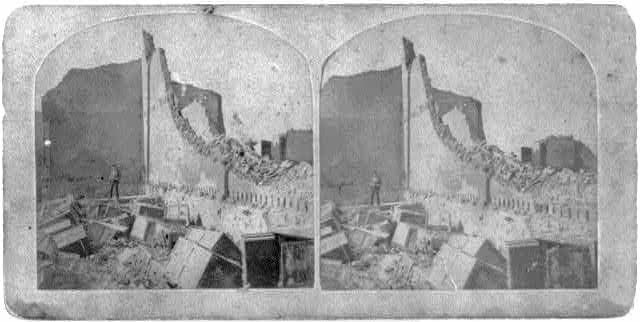
The Great Chicago Fire of 1871: A City in Flames
On the night of October 8, 1871, a fire ignited in Chicago, Illinois, that would become one of the most infamous disasters in American history. The Great Chicago Fire raged for three days, ultimately destroying over 3 square miles of the city and leaving approximately 100,000 residents homeless. The flames consumed wooden buildings, fueled by dry winds and a lack of adequate firefighting resources. By the time the fire was finally extinguished on October 10, it had claimed an estimated 300 lives and caused damages amounting to around $200 million, a staggering sum for the time [1][2][5].
The aftermath of the Great Chicago Fire not only reshaped the physical landscape of the city but also led to significant changes in building codes and urban planning across the United States. The fire served as a catalyst for reform, prompting cities to reconsider their approaches to fire safety and urban development. The lessons learned from this disaster would echo through the years, influencing policies and practices in cities nationwide [3][4].
The Origins of the Great Chicago Fire
The exact cause of the Great Chicago Fire remains a topic of debate and speculation. The most popular myth attributes the start of the fire to a cow belonging to Mrs. O'Leary, who supposedly kicked over a lantern in the barn. This story, however, has been widely discredited. Investigations conducted after the fire found no evidence to support the claim that the O'Leary cow was responsible for the blaze. In fact, the Chicago City Council officially exonerated Mrs. O'Leary in 1893, stating that the fire's origin was unknown and that the cow was not to blame [1][5].
What is known is that the conditions in Chicago at the time were ripe for a disaster. The city had experienced a particularly dry summer, which left the ground parched and the wooden structures vulnerable. Many buildings were constructed from highly flammable materials, and the rapid urban growth of the city had outpaced the development of adequate fire safety measures. The Chicago Fire Department was ill-equipped to handle a fire of such magnitude, with only a handful of fire engines and limited manpower to combat the flames [2][3].
In addition to the dry conditions, the city's infrastructure was not designed to cope with such emergencies. The narrow streets and closely packed buildings created a perfect environment for the fire to spread rapidly. Firefighters struggled to access the flames, and the lack of adequate water supply exacerbated the situation. The combination of these factors set the stage for one of the most devastating urban fires in American history [4][5].
The Path of Destruction: How the Fire Spread
The fire began in the vicinity of DeKoven Street, near the O'Leary barn, and quickly spread through the city. Strong winds from the southwest propelled the flames, allowing them to leap from building to building. The fire consumed entire neighborhoods, including the bustling business district, where many of the city’s most important structures were located.
As the fire raged on, it created a firestorm that generated its own winds, further spreading the flames. The combination of dry conditions, wooden buildings, and strong winds turned the city into a tinderbox. The fire crossed the Chicago River, a feat that was previously thought impossible due to the river's width. This unexpected expansion of the fire led to even greater destruction, as it engulfed more homes and businesses [2][4].
By the time the fire was finally brought under control on October 10, 1871, it had destroyed an estimated 17,500 buildings, leaving a vast area of the city in ruins. The destruction was so extensive that it was reported that only a few buildings were left standing in the downtown area. The fire not only devastated the physical landscape but also shattered the community, displacing thousands of families and altering the lives of countless residents [1][3].
The sheer scale of the destruction was overwhelming. Entire neighborhoods were reduced to ashes, and the once-thriving city was left in chaos. Survivors wandered the streets, searching for loved ones and shelter, while emergency services struggled to respond to the crisis. The fire's rapid spread and the ensuing panic made it difficult to account for the missing, and many families were forever separated [2][5].
The Human Toll: Casualties and Displacement
The human cost of the Great Chicago Fire was staggering. Official estimates suggest that around 300 people lost their lives, although some historians believe the actual number may have been higher due to unrecorded deaths and the chaos that ensued during and after the fire. The fire left approximately 100,000 people homeless, forcing them to seek shelter in makeshift camps and public buildings.
The aftermath of the fire also saw a significant increase in the population of Chicago as people from surrounding areas and even distant states flocked to the city to help with recovery efforts. The disaster prompted a wave of charitable donations, with individuals and organizations across the country contributing to relief efforts. The American Red Cross, led by Clara Barton, played a crucial role in providing aid to those affected by the fire [1][5].
In the wake of the disaster, many residents faced not only the loss of their homes but also the loss of their livelihoods. Businesses were destroyed, and the economic impact was felt throughout the region. The city’s economy, which had been booming, was thrown into disarray as recovery efforts began. Many residents were forced to rely on the generosity of strangers and charitable organizations to survive [2][3].
The fire also had a profound impact on the social fabric of the city. Communities that had once been tightly knit were torn apart, and the displacement of thousands of families created a sense of uncertainty and fear. As people sought refuge in temporary shelters, the city struggled to provide adequate support for those in need. The resilience of the community was tested, but many came together to help one another in the face of adversity [4][5].
Myths and Misconceptions: The Mrs. O'Leary Cow Story
The story of Mrs. O'Leary's cow has become a legendary tale associated with the Great Chicago Fire, but it is largely a product of sensationalized journalism and public fascination with the disaster. The myth gained traction in the days following the fire, as newspapers sought to explain the catastrophe and capture the public's attention. The cow story was convenient, providing a simple narrative that could be easily understood and repeated [2][5].
In reality, the origins of the fire are more complex and remain shrouded in uncertainty. Investigators at the time were unable to determine a definitive cause, and many theories emerged, ranging from a spark from a passing train to a careless worker in a nearby barn. The lack of conclusive evidence has allowed the cow story to endure, even as more credible explanations have been proposed [1][3].
The myth of the cow has been perpetuated in popular culture, often overshadowing the real factors that contributed to the fire's outbreak. This narrative has been so ingrained in the public consciousness that it continues to be referenced in discussions about the disaster, despite the lack of factual basis. The focus on the cow story detracts from the more pressing issues of urban planning and fire safety that the fire highlighted [2][4].
Rebuilding Chicago: Urban Planning and Fire Codes
In the wake of the Great Chicago Fire, the city faced the monumental task of rebuilding. The destruction provided an opportunity for urban planners and architects to rethink the design and construction of the city. The rebuilding process began almost immediately, with many residents and business owners eager to restore their livelihoods.
One of the most significant changes that emerged from the fire was the implementation of stricter building codes. The city adopted regulations that mandated the use of fire-resistant materials, such as brick and stone, in new construction. These changes aimed to prevent a similar disaster from occurring in the future and to create a safer urban environment [3][4].
The fire also prompted a shift in urban planning philosophies. The city began to prioritize wider streets and open spaces, which would help to prevent the rapid spread of future fires. The introduction of parks and green spaces was seen as a way to improve the quality of life for residents while also serving as firebreaks. The Great Chicago Fire ultimately led to the development of a more modern and resilient city [1][2].
Architects and planners took the opportunity to innovate in the wake of the fire. The Chicago School of architecture emerged, characterized by the use of steel frames and large plate glass windows, which allowed for taller buildings and more natural light. This architectural revolution not only transformed Chicago's skyline but also influenced urban design across the country [5].
Moreover, the fire prompted the establishment of the Chicago Fire Department as a more organized and professional entity. The city invested in better firefighting equipment and training, recognizing the need for a robust response to future emergencies. These reforms laid the groundwork for modern firefighting practices and helped to ensure that the city would be better prepared for any future disasters [2][3].
The Legacy of the Great Chicago Fire
The Great Chicago Fire of 1871 left an indelible mark on the city and the nation. It served as a catalyst for change, prompting cities across the United States to reevaluate their fire safety measures and urban planning strategies. The lessons learned from the fire influenced building codes and firefighting practices for decades to come.
In the years following the disaster, Chicago emerged as a symbol of resilience and reinvention. The city not only rebuilt itself but also transformed into a hub of innovation and architectural achievement. The Chicago School of architecture, which emerged in the late 19th century, introduced new building techniques and styles that would shape the skyline of the city for generations [1][5].
Today, the Great Chicago Fire is remembered not only for its destruction but also for the lessons it taught about urban planning, fire safety, and community resilience. The fire has become a part of Chicago's identity, serving as a reminder of the city's ability to overcome adversity and rebuild in the face of disaster. Annual commemorations and educational programs ensure that the memory of the fire and its impact on the city are preserved for future generations [2][3].
The legacy of the Great Chicago Fire extends beyond the city itself. It has influenced fire safety regulations and urban planning initiatives across the United States and around the world. The fire highlighted the importance of preparedness and the need for communities to work together in times of crisis. As cities continue to grow and evolve, the lessons learned from the Great Chicago Fire remain relevant, reminding us of the importance of resilience in the face of disaster [4][5].
A City Transformed
The Great Chicago Fire of 1871 was a catastrophic event that reshaped the city and the nation. While the origins of the fire may remain shrouded in myth, its impact on urban planning and fire safety is undeniable. The fire forced Chicago to confront its vulnerabilities and ultimately led to a more resilient and modern city.
As we reflect on the Great Chicago Fire, we recognize not only the tragedy of loss but also the spirit of reinvention that defines Chicago to this day. The city's journey from ashes to innovation serves as a powerful testament to the resilience of communities in the face of disaster. The fire, while devastating, became a turning point that propelled Chicago into a new era of growth and development, setting the stage for its emergence as a major American metropolis [1][2][5].