
The Rosenberg Trial: A Case of Atomic Espionage in 1950s America
In the early 1950s, Julius and Ethel Rosenberg were at the center of one of the most controversial espionage trials in American history. Accused of passing atomic secrets to the Soviet Union, the couple was convicted in 1951 and executed in 1953 [5]. Their case has since sparked intense debate among historians, legal scholars, and the public, with discussions often revolving around the fairness of the trial, the evidence presented, and the broader implications of Cold War paranoia.
The Charges Against Julius and Ethel Rosenberg
The Rosenbergs were charged with conspiracy to commit espionage during a time when the United States was deeply entrenched in the Cold War [4]. The trial took place in New York City, where the couple was accused of providing the Soviet Union with critical information about atomic bomb development. The prosecution argued that their actions had directly contributed to the Soviet Union's ability to develop nuclear weapons, which heightened the stakes of the Cold War and increased tensions between the two superpowers.
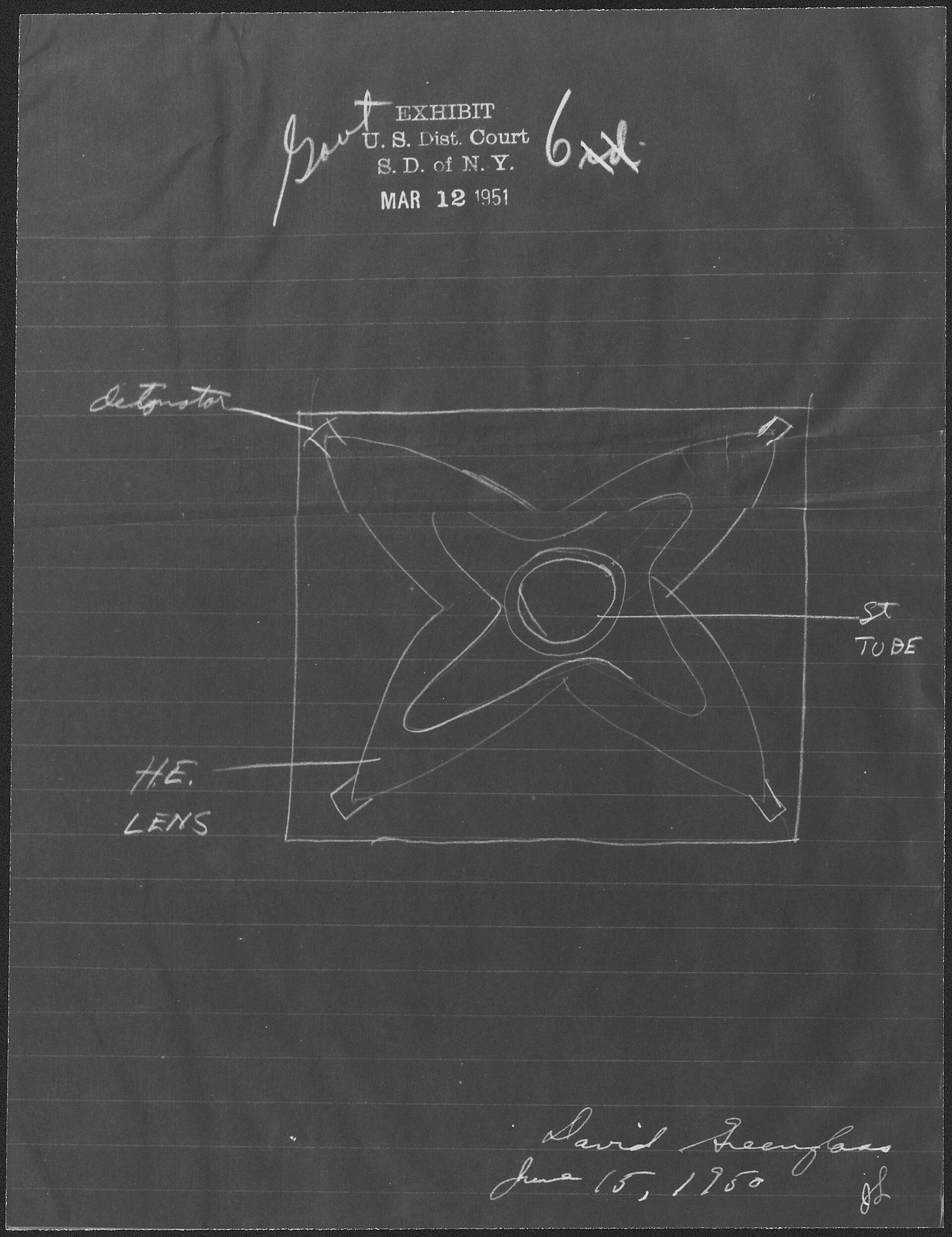
The evidence against the Rosenbergs included testimony from several witnesses, including Ethel's brother, David Greenglass, who claimed that he had provided the couple with classified information obtained while working on the Manhattan Project [3]. This project was the U.S. government's effort to develop the atomic bomb during World War II. Greenglass's testimony was pivotal in securing the Rosenbergs' convictions, as it painted a picture of a coordinated effort to undermine U.S. security.
The Venona Project: Context for the Trial
To understand the significance of the Rosenberg trial, one must consider the context provided by the Venona Project. Initiated by the U.S. government in 1943, Venona was a secret program aimed at decrypting Soviet intelligence communications [2]. By the time of the Rosenberg trial, the project had revealed numerous instances of espionage involving American citizens, including several who were later identified as members of the Communist Party.
The decrypted messages indicated that the Rosenbergs were indeed involved in espionage activities [2]. However, the extent of their involvement and the nature of the information they provided remain contentious points. Some historians argue that while the Rosenbergs may have been guilty of espionage, the evidence was not strong enough to warrant the death penalty [5]. Others contend that the national security implications of their actions justified the harsh sentence.
The Trial Atmosphere: Fear and Paranoia
The atmosphere surrounding the Rosenberg trial was charged with fear and paranoia, reflective of the broader societal context of the early Cold War. The United States was grappling with the threat of communism, which many Americans believed was infiltrating various aspects of society [4]. This climate of suspicion was exacerbated by high-profile cases of espionage, such as the trial of Alger Hiss, a former State Department official accused of being a Soviet spy.
During the trial, the prosecution painted the Rosenbergs as traitors who had betrayed their country for ideological reasons. The defense, on the other hand, argued that the couple was being scapegoated in a time of national hysteria. The trial judge, Irving R. Kaufman, famously stated that the Rosenbergs' actions had "put into the hands of the Russians the atomic bomb," a sentiment that resonated with the jury and the public alike [3].
The Role of Public Opinion and Media Coverage
Public opinion played a significant role in shaping the narrative of the Rosenberg trial. The media coverage was extensive, with newspapers across the country reporting on the proceedings in detail. The trial became a sensationalized event, with many Americans following the story closely. The portrayal of the Rosenbergs as dangerous communists fueled public outrage, which likely influenced the jury's decision [4].
However, as the years passed, opinions began to shift. Many began to view the trial as a miscarriage of justice, arguing that the evidence was circumstantial and that the couple did not receive a fair trial. The debates surrounding the case have continued to evolve, with new information and perspectives emerging over the decades.
The Aftermath: Executions and Controversy
On June 19, 1953, Julius and Ethel Rosenberg were executed in the electric chair at Sing Sing Prison in New York [5]. Their deaths marked a significant moment in American history, as they were the first American civilians to be executed for espionage during peacetime. The case raised questions about the ethics of capital punishment and the extent to which the government was willing to go to protect national security.
In the years following their execution, the Rosenberg case remained a flashpoint for debates about justice and civil liberties. Many advocates argued that the couple had been unfairly targeted due to their political beliefs and that the trial was influenced by the prevailing anti-communist sentiment of the time. The case also became a symbol of the broader struggle against government overreach and the importance of due process.
The Legacy of the Rosenberg Trial
The legacy of the Rosenberg trial continues to resonate today. The case has been the subject of numerous books, films, and documentaries, each offering different interpretations of the events and the motivations behind the Rosenbergs' actions. Scholars have debated the implications of the trial for civil liberties and the role of fear in shaping public policy.
In recent years, new evidence has emerged that has further complicated the narrative. The release of previously classified documents related to the Venona Project has led some historians to argue that the Rosenbergs were indeed guilty of espionage, while others maintain that the evidence does not support the severity of their punishment [2]. This ongoing debate reflects the complexities of the Cold War era and the challenges of reconciling historical narratives with contemporary values.
The Rosenberg Case in Historical Context
To fully appreciate the significance of the Rosenberg trial, it is essential to place it within the broader context of Cold War espionage. The United States and the Soviet Union were engaged in a fierce struggle for global influence, and espionage became a critical tool in this conflict [4]. The Rosenbergs were not the only individuals accused of espionage during this period; numerous cases emerged, leading to widespread fear and suspicion.
The trial also highlighted the government's efforts to combat perceived threats from within. The House Un-American Activities Committee (HUAC) was actively investigating alleged communist infiltration in various sectors, including Hollywood and academia. The Rosenberg case became emblematic of this broader campaign, illustrating the lengths to which the government would go to root out perceived subversion [4].
The Role of the Cold War in Shaping the Trial
The Cold War fundamentally shaped the Rosenberg trial and the public's perception of it. The fear of communism was pervasive, leading to a climate where accusations could be made with little evidence. The trial occurred at a time when the United States was grappling with the implications of nuclear weapons and the threat posed by the Soviet Union [4].
The government's portrayal of the Rosenbergs as dangerous traitors resonated with a public that was already on edge due to the ongoing conflict. The trial served as a warning to others who might consider dissenting from the prevailing political ideology. The harsh sentence imposed on the Rosenbergs was seen by some as a necessary measure to deter others from engaging in similar activities [5].
Ongoing Debates: Guilt, Innocence, and Justice
The debates surrounding the Rosenberg trial have persisted for decades, with historians and legal scholars continuing to examine the evidence and the trial's implications. Some argue that the Rosenbergs were guilty of espionage and that their execution was justified in light of the national security risks they posed [5]. Others contend that the evidence was insufficient and that the trial was marred by political motivations.
The release of new information, including declassified documents and testimonies, has added layers of complexity to the discussions. Some historians have pointed to the possibility that the Rosenbergs were not as deeply involved in espionage as initially believed, while others maintain that their actions had serious consequences for U.S. security [2].
The Rosenberg Trial's Impact on Civil Liberties
The Rosenberg trial has had a lasting impact on discussions about civil liberties in the United States. The case raised important questions about the balance between national security and individual rights. Many advocates for civil liberties have pointed to the trial as an example of how fear can lead to the erosion of due process and the rights of the accused [4].
In the years following the trial, there have been numerous efforts to address the issues raised by the Rosenberg case. Advocacy groups have worked to ensure that individuals accused of espionage or other crimes receive fair trials and that their rights are protected. The legacy of the Rosenbergs continues to serve as a reminder of the importance of safeguarding civil liberties, even in times of national crisis.
Conclusion: A Case That Continues to Divide
The Rosenberg trial remains one of the most contentious cases in American history. The execution of Julius and Ethel Rosenberg for atomic espionage has sparked ongoing debates about guilt, innocence, and the nature of justice. As new evidence emerges and perspectives shift, the case continues to be a focal point for discussions about the Cold War, civil liberties, and the role of government in protecting national security [5].
The complexities of the Rosenberg case reflect the broader challenges of understanding history through the lens of contemporary values. As historians continue to grapple with the implications of the trial, the legacy of Julius and Ethel Rosenberg endures, serving as a cautionary tale about the consequences of fear and the importance of justice.