
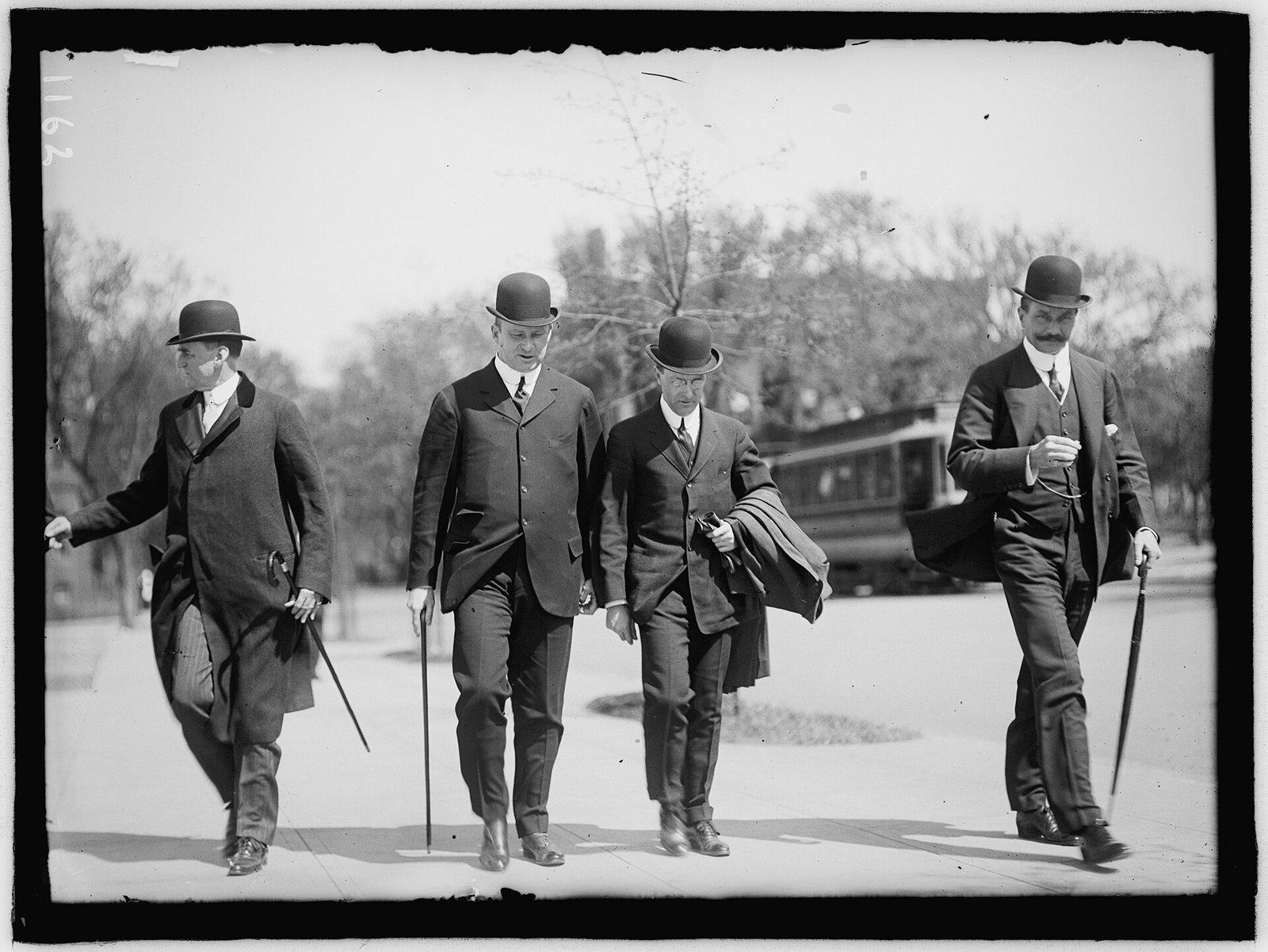
The Titanic Senate Hearings of 1912: A National Inquiry into Maritime Safety
On April 15, 1912, the RMS Titanic sank after hitting an iceberg on its maiden voyage, resulting in the deaths of over 1,500 passengers and crew [1]. This catastrophic event shocked the world and prompted immediate calls for accountability. In the wake of the disaster, the U.S. Senate launched an inquiry led by Senator William Alden Smith. The hearings, held in New York and Washington, D.C., scrutinized the actions of the White Star Line, the ship's operators, and examined the broader implications for maritime safety regulations in the United States [2].
The Titanic Senate inquiry aimed to uncover the failures that led to the tragedy and to propose reforms that would prevent such disasters in the future. The hearings not only interrogated key figures associated with the Titanic but also sparked significant changes in maritime law, particularly regarding lifeboat requirements and wireless communication standards. The inquiry's findings would resonate for decades, influencing maritime policies and safety protocols worldwide [3].
The Context of the Titanic Disaster
The Titanic was heralded as a marvel of modern engineering, boasting luxury and speed. Owned by the White Star Line, it was one of the largest and most opulent ships of its time. However, the ship's tragic sinking revealed critical flaws in safety protocols and preparedness. The loss of life was staggering, and public outrage grew as details of the disaster emerged. The Titanic was equipped with only 20 lifeboats, which could accommodate about half of the passengers and crew on board, raising serious questions about the safety standards of the time [4].
In the aftermath, the U.S. Senate recognized the need for a thorough investigation. Senator William Alden Smith, a Republican from Michigan, was appointed to lead the hearings. His commitment to uncovering the truth and advocating for safer maritime practices would shape the course of the inquiry. The Senate hearings were not merely a response to the Titanic disaster; they were a reflection of a growing awareness of the need for improved safety regulations in the burgeoning maritime industry [5].
The Senate Hearings Begin in New York
The hearings commenced in New York City on April 19, 1912, just days after the Titanic sank. The Senate committee gathered testimonies from survivors, crew members, and officials from the White Star Line. The atmosphere was tense as witnesses recounted their harrowing experiences during the disaster. The urgency of the inquiry was palpable, as the nation sought answers and accountability [1].
One of the primary focuses of the inquiry was the inadequate number of lifeboats on the Titanic. Senator Smith pressed White Star officials on why the ship had not been equipped with enough lifeboats to ensure the safety of all passengers. The company defended its decisions, arguing that the lifeboats were sufficient for the ship's size and that the ship was deemed "practically unsinkable" due to its advanced design. This assertion was met with skepticism, as the hearings revealed the stark reality of the ship's inadequacies [2].
The testimonies revealed a shocking lack of preparedness among the crew. Many crew members had not received adequate training in lifeboat procedures, and there was confusion during the evacuation. Survivors described chaotic scenes as passengers struggled to board the lifeboats. The Senate hearings highlighted the need for comprehensive training and clearer protocols for maritime emergencies. The inquiry exposed the complacency that had developed within the industry, where the belief in technological superiority overshadowed the necessity for safety measures [3].
Key Testimonies and Revelations
As the hearings progressed, several key testimonies emerged that would shape public perception of the Titanic disaster. Among the most notable witnesses was Captain Edward Smith, the ship's captain, who perished in the sinking. His absence from the hearings raised questions about accountability. However, other crew members provided crucial insights into the events leading up to the disaster. The testimonies of those who survived offered a glimpse into the chaos and confusion that unfolded during the sinking [4].
One significant testimony came from Thomas Andrews, the ship's designer, who had been on board during the voyage. Survivors reported that Andrews had worked tirelessly to save passengers, urging them to evacuate and directing crew members to assist. His actions underscored the heroism displayed by some crew members amidst the chaos. Andrews's commitment to saving lives contrasted sharply with the broader failures of the ship's management and safety protocols [5].
Another critical aspect of the inquiry was the role of wireless communication. The Titanic had been equipped with a state-of-the-art Marconi wireless system, which allowed it to send distress signals. However, the inquiry revealed that the ship's radio operators were overwhelmed with passenger messages and failed to prioritize distress calls. This revelation prompted discussions about the need for dedicated communication protocols during emergencies. The hearings illuminated the shortcomings of the communication systems in place, emphasizing that technology alone could not guarantee safety [1].
Senator Smith's questioning of the wireless operators highlighted the importance of effective communication in maritime safety. The hearings underscored the necessity of having trained personnel who could manage emergency communications without distraction. The inquiry's findings led to a reevaluation of communication protocols, ultimately influencing future regulations regarding maritime distress signals [2].
The Impact of the Titanic Hearings on Maritime Law
The Titanic Senate inquiry had far-reaching implications for maritime safety regulations in the United States. Following the hearings, Senator Smith and other lawmakers recognized the urgent need for reform. The testimony gathered during the hearings served as a catalyst for legislative changes that would reshape maritime law. The inquiry's findings were not merely academic; they had real-world consequences that would affect the safety of countless passengers in the years to come [3].
One of the most significant outcomes of the inquiry was the passage of the Seamen's Act of 1915. This legislation aimed to improve safety standards on passenger vessels and included provisions for lifeboat requirements. The act mandated that all passenger ships must carry enough lifeboats for every person on board, a direct response to the deficiencies exposed during the Titanic hearings. This legislative change marked a turning point in maritime safety, ensuring that no ship would ever again be allowed to operate with such inadequate lifeboat capacity [4].
Additionally, the Seamen's Act established regulations for crew training and safety protocols. It required that crew members receive proper training in emergency procedures, ensuring that they would be better prepared to handle crises in the future. The act also addressed issues related to the treatment of seamen, including fair wages and working conditions. These reforms reflected a growing recognition of the need to prioritize the safety and well-being of those who worked in the maritime industry [5].
The Titanic hearings also prompted international discussions about maritime safety. The inquiry's findings influenced the establishment of the International Convention for the Safety of Life at Sea (SOLAS) in 1914, which set global standards for ship safety. The convention included regulations on lifeboat capacity, safety drills, and communication protocols, reflecting the lessons learned from the Titanic disaster. The international community recognized that the tragedy had exposed systemic flaws in maritime safety, necessitating a coordinated response to prevent future disasters [1].
The Legacy of the Titanic Inquiry
The legacy of the Titanic Senate hearings extends beyond the immediate reforms they prompted. The inquiry served as a turning point in how the United States approached maritime safety and regulation. It highlighted the need for accountability in the shipping industry and established a precedent for future inquiries into transportation disasters. The hearings demonstrated that the government had a responsibility to protect its citizens and ensure that safety standards were upheld [2].
The hearings also raised public awareness about the importance of safety in maritime travel. As a result, passengers began to demand more transparency from shipping companies regarding safety measures. The Titanic disaster and subsequent hearings became a cautionary tale, reminding the public of the potential dangers of complacency in safety practices. The inquiry fostered a culture of accountability, where shipping companies could no longer operate under the assumption that their vessels were invulnerable [3].
In the years following the hearings, the U.S. Coast Guard took on a more prominent role in enforcing maritime safety regulations. The agency worked to implement the changes mandated by the Seamen's Act and continued to advocate for improved safety standards across the industry. The Titanic hearings laid the groundwork for a more proactive approach to maritime safety, ultimately saving lives in the decades that followed. The Coast Guard's involvement marked a significant shift in how maritime safety was regulated, emphasizing the importance of ongoing oversight and enforcement [4].
The Titanic inquiry also influenced public perception of maritime travel. The tragedy and its aftermath led to increased scrutiny of shipping companies and their practices. Passengers became more aware of their rights and the safety measures that should be in place. The inquiry's findings resonated with the public, leading to a demand for greater accountability and transparency in the maritime industry [5].
The Titanic Hearings as a Catalyst for Change
The Titanic Senate hearings of 1912 were a pivotal moment in American history, exposing the failures of the shipping industry and prompting significant reforms in maritime safety. Senator William Alden Smith's relentless pursuit of the truth brought to light the shortcomings of the White Star Line and the broader maritime regulatory framework. The hearings served as a powerful reminder of the consequences of negligence and complacency in safety practices [1].
Through testimonies from survivors and crew members, the hearings revealed critical issues related to lifeboat capacity, crew training, and communication protocols. The inquiry's findings led to the passage of the Seamen's Act and influenced international safety standards, ensuring that the lessons learned from the Titanic disaster would not be forgotten. The hearings marked a turning point in the relationship between the government and the shipping industry, establishing a precedent for future regulatory oversight [2].
As we reflect on the Titanic tragedy and the subsequent Senate hearings, we recognize the importance of vigilance in safety practices and the need for accountability in all sectors. The legacy of the Titanic inquiry continues to shape maritime safety regulations, reminding us of the human cost of negligence and the imperative to prioritize safety above all else. The inquiry not only transformed maritime law but also fostered a culture of safety that has persisted in the industry [3].
The Titanic hearings serve as a historical touchstone, illustrating the profound impact that a single disaster can have on policy and public perception. The inquiry's findings and the subsequent reforms have saved countless lives and reshaped the maritime landscape, ensuring that the lessons learned from the Titanic tragedy will continue to resonate for generations to come [4].