
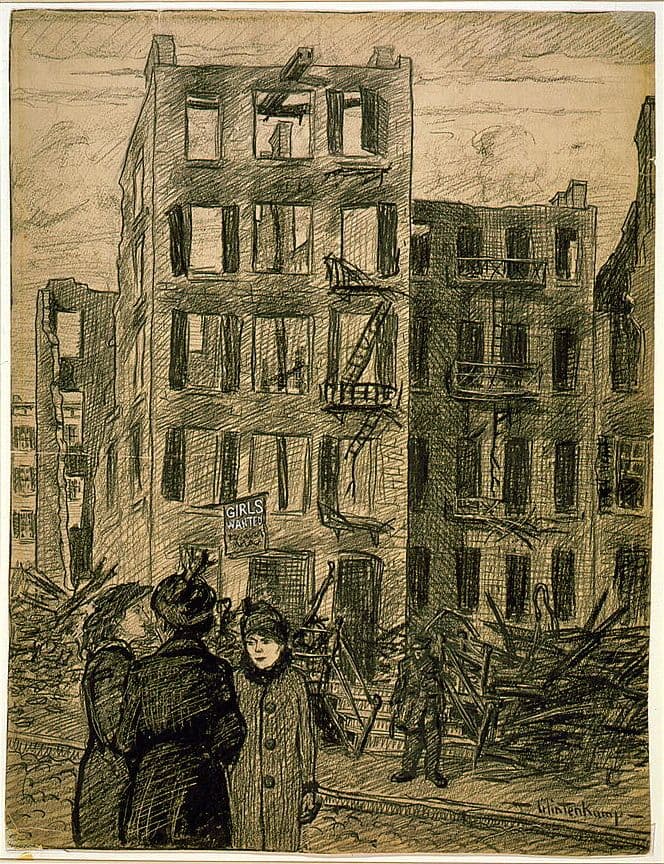
The Triangle Shirtwaist Fire: 146 Garment Workers Locked Inside a Burning Factory
On March 25, 1911, a tragedy unfolded in New York City that would forever change the landscape of labor rights and fire safety regulations in the United States. The Triangle Shirtwaist Factory fire claimed the lives of 146 garment workers, most of whom were young immigrant women. As flames engulfed the building, many of these workers faced a horrifying choice: jump from the windows or succumb to the smoke and fire. This catastrophic event not only highlighted the appalling working conditions of the time but also ignited a movement for reform that would resonate for decades.
The Setting: A Factory of Despair
The Triangle Shirtwaist Factory was located on the top three floors of the Asch Building in Manhattan. It was one of the largest shirtwaist factories in the city, employing around 500 workers, primarily young women, many of whom were Jewish and Italian immigrants seeking a better life in America. The factory was notorious for its harsh working conditions, long hours, and meager pay. Workers often toiled for up to 14 hours a day, earning a mere $15 a week, while the owners, Isaac Harris and Max Blanck, amassed considerable wealth from their labor [1].
The factory's layout was cramped and chaotic. Workers were packed closely together, sewing garments in a race against time to meet the demands of a booming fashion industry. The building itself was a firetrap, with narrow hallways and a lack of adequate safety measures. The doors to the stairwells were often locked to prevent workers from taking unauthorized breaks, a practice that would prove fatal on that fateful day [2]. This disregard for safety was not an isolated incident but rather a reflection of the broader industrial environment of the time, where profit often took precedence over the welfare of workers.
The Fire Erupts
On that tragic afternoon, a fire broke out on the eighth floor of the Triangle Shirtwaist Factory. It is believed that the blaze was ignited by a discarded cigarette or match that fell onto a pile of fabric scraps. Within minutes, the flames spread rapidly, fueled by the highly flammable materials surrounding the workers. Panic ensued as the fire alarm rang out, but the response was chaotic. Many workers initially thought it was a drill, unaware of the imminent danger [3].
As the flames engulfed the building, workers scrambled for safety. The only escape routes were the stairwells, which were quickly filled with smoke. The exits were locked, preventing many from escaping. Some workers attempted to flee through the windows, while others were trapped inside, helpless against the encroaching fire. The scene was horrific: young women leapt from the windows, their bodies falling to the pavement below. Eyewitnesses reported seeing the desperate attempts of workers trying to escape the inferno, with some even choosing to jump rather than face the flames [4]. The fire raged for just 18 minutes, but in that short time, it claimed lives and shattered families.
The Aftermath: A Nation in Shock
When the fire was finally extinguished, the toll was devastating. 146 lives were lost, making it one of the deadliest workplace disasters in U.S. history. The tragedy sent shockwaves throughout the nation, igniting outrage and calls for reform. The public was horrified by the stories of the victims, many of whom were just teenagers. The images of the aftermath, with bodies lined up on the streets, became emblematic of the dire need for labor reform and improved safety standards [5].
In the wake of the fire, investigations were launched to determine the cause and to hold those responsible accountable. The owners of the Triangle Shirtwaist Factory, Harris and Blanck, were charged with manslaughter. However, the trial that followed was marred by controversy. The defense argued that the fire was an accident, and despite the overwhelming evidence of negligence, the jury acquitted the owners of all charges. This verdict sparked outrage among labor unions and advocates for workers' rights, who saw it as a blatant disregard for the lives of the workers [1].
Labor Unions Mobilize
The Triangle Shirtwaist Fire galvanized labor unions and activists across the country. Organizations such as the International Ladies' Garment Workers' Union (ILGWU) began to organize rallies and protests, demanding better working conditions, fair wages, and safety regulations. The fire served as a rallying cry for the labor movement, highlighting the need for collective action to protect workers' rights [2]. The ILGWU, which had been advocating for garment workers' rights prior to the fire, found renewed energy and support in the aftermath of this tragedy.
In the months following the tragedy, the ILGWU and other labor organizations pushed for legislative reforms. They lobbied for the establishment of fire safety codes, improved building regulations, and the creation of a state commission to investigate workplace safety. Their efforts were met with resistance from business owners, who feared that increased regulations would hurt their profits. However, the public outcry following the fire made it increasingly difficult for lawmakers to ignore the demands for change [3].
Legislative Reforms and Safety Regulations
The Triangle Shirtwaist Fire was a turning point in the fight for labor rights in the United States. In response to the tragedy, New York State established a Factory Investigating Commission, which conducted extensive investigations into workplace safety. The commission's findings revealed widespread violations of safety regulations across various industries, leading to a series of reforms [4]. The commission's work was groundbreaking, as it not only focused on the immediate aftermath of the fire but also sought to address systemic issues that had long plagued the industrial workforce.
By 1913, New York had enacted several new labor laws, including regulations on fire safety, working hours, and child labor. The reforms included mandates for fire drills, the installation of fire escapes, and the requirement that doors be unlocked during working hours to ensure workers could escape in emergencies. These changes laid the groundwork for future labor legislation and set a precedent for workplace safety standards across the nation [5]. The reforms also inspired similar movements in other states, as the tragic events of the Triangle Shirtwaist Fire echoed in the halls of legislatures across the country.
The Legacy of the Triangle Shirtwaist Fire
The legacy of the Triangle Shirtwaist Fire extends far beyond the immediate reforms that followed. It became a symbol of the struggle for workers' rights and the fight against exploitation in the workplace. The tragedy highlighted the dire conditions faced by many workers, particularly women and immigrants, who were often subjected to dangerous working environments with little recourse for their safety [1]. The fire served as a catalyst for a broader conversation about labor rights, social justice, and the responsibilities of employers.
In the years that followed, labor unions continued to advocate for workers' rights, utilizing the memory of the Triangle Shirtwaist Fire to rally support for their cause. The event inspired a generation of activists who fought for better conditions, fair wages, and the right to unionize. The fire also played a significant role in shaping public perception of labor issues, leading to increased support for labor movements and the eventual establishment of federal labor laws [2]. The National Labor Relations Act of 1935, which protected the rights of workers to organize and bargain collectively, can be traced back to the momentum generated by the Triangle Shirtwaist Fire.
Commemoration and Remembrance
Today, the Triangle Shirtwaist Fire is commemorated annually, serving as a poignant reminder of the sacrifices made by workers in the fight for labor rights. Memorials and events are held to honor the lives lost and to reflect on the ongoing struggles faced by workers in various industries. The fire's legacy continues to resonate, reminding us of the importance of workplace safety and the need for vigilance in protecting workers' rights [3]. The annual commemorations not only pay tribute to the victims but also serve as a platform for current labor issues, highlighting the ongoing fight for justice in the workplace.
The site of the former Triangle Shirtwaist Factory is now home to the Brown Building of New York University. In 2011, on the 100th anniversary of the fire, a memorial was dedicated to the victims, featuring a plaque that honors their memory and the ongoing fight for labor rights. The memorial serves as a powerful reminder of the importance of standing up for workers and ensuring that their voices are heard [4]. The dedication of the memorial was attended by labor leaders, activists, and descendants of the victims, all united in their commitment to preserving the memory of those who lost their lives.
The Ongoing Fight for Workers' Rights
While significant progress has been made since the Triangle Shirtwaist Fire, the fight for workers' rights is far from over. In recent years, issues such as workplace safety, fair wages, and the right to unionize have remained at the forefront of labor discussions. The lessons learned from the Triangle Shirtwaist Fire continue to inform contemporary labor movements, as activists strive to address the challenges faced by workers in today's economy [5]. The ongoing struggle for workers' rights is evident in movements such as Fight for $15, which advocates for a living wage, and the push for stronger protections against workplace harassment and discrimination.
As we reflect on the Triangle Shirtwaist Fire and its impact on labor rights, it is crucial to remember the individuals whose lives were lost that day. Their stories serve as a reminder of the importance of advocating for safe working conditions and the rights of all workers. The fire may have occurred over a century ago, but its legacy endures, inspiring new generations to continue the fight for justice in the workplace. The ongoing relevance of the Triangle Shirtwaist Fire in discussions about labor rights underscores the need for continued vigilance and activism in the face of evolving challenges.
The Triangle Shirtwaist Fire stands as a stark reminder of the consequences of neglecting worker safety and rights. It serves as a historical touchstone for labor movements and a call to action for those who believe in justice and equality in the workplace. As we honor the memory of the 146 lives lost, we must also commit ourselves to ensuring that such a tragedy never occurs again. The fight for workers' rights is not just a historical narrative; it is an ongoing struggle that requires our attention, advocacy, and action.
In remembering the Triangle Shirtwaist Fire, we are reminded of the power of collective action and the importance of standing up for those who cannot stand up for themselves. The legacy of the fire continues to inspire activists and labor leaders, urging them to fight for a future where all workers can feel safe and valued in their workplaces.