
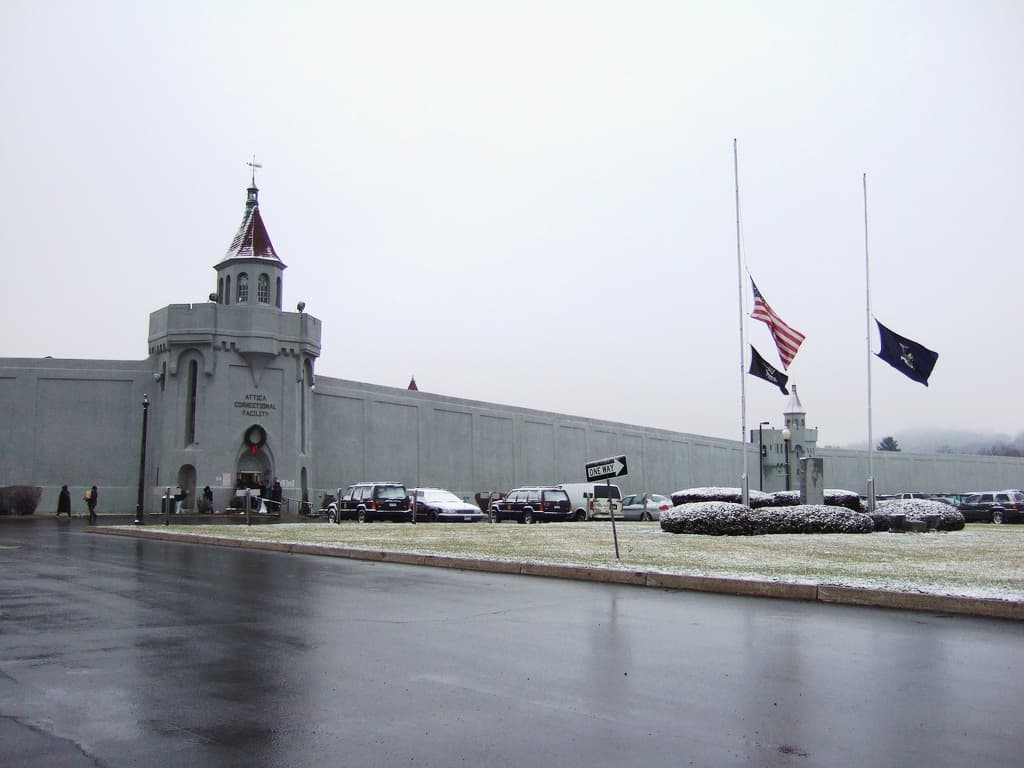
The Attica Prison Uprising of 1971: A Fight for Basic Rights
In September 1971, inmates at Attica Correctional Facility in New York staged a revolt that would become one of the most significant prison uprisings in U.S. history. Beginning on September 9, over 1,200 prisoners took control of the facility, demanding better living conditions, political rights, and an end to the inhumane treatment they faced. The uprising lasted four days, culminating in a violent retaking of the prison by state forces on September 13, resulting in a tragic loss of life and raising questions about the state's responsibility in the aftermath. The Attica uprising not only highlighted the dire conditions within the prison system but also became a catalyst for ongoing discussions about prison reform across the United States.
The Conditions Leading to the Uprising
Attica Correctional Facility, located in the rural town of Attica, New York, was notorious for its overcrowded and brutal conditions. By the early 1970s, the prison housed approximately 2,200 inmates, far exceeding its intended capacity. Many prisoners were subjected to harsh treatment, including inadequate medical care, poor nutrition, and limited access to educational and vocational programs. Inmates often faced violence from guards, and the lack of basic rights fueled resentment and anger among the population. Reports indicated that inmates were frequently placed in solitary confinement for minor infractions, exacerbating their feelings of isolation and hopelessness [1][2].
The 1970s was a time of significant social upheaval in the United States, with movements advocating for civil rights, anti-war protests, and calls for prison reform gaining traction. The civil rights movement had already laid the groundwork for discussions about justice and equality, and the burgeoning anti-prison movement began to gain momentum. In this context, the Attica uprising was not just a reaction to local conditions but part of a broader struggle for justice and dignity. The inmates sought to address their grievances through negotiations, hoping to bring attention to their plight and push for systemic change.
The Uprising Begins: September 9, 1971
On September 9, 1971, the situation at Attica reached a boiling point. Following a violent altercation between inmates and guards, a group of prisoners seized control of the prison yard, taking hostages and barricading themselves inside. They demanded a list of reforms, including improved living conditions, medical care, and the right to political representation. The inmates also called for the removal of the prison's superintendent, who they believed was responsible for the oppressive conditions. This act of defiance was not merely a spontaneous outburst; it was the culmination of years of frustration and neglect [3][4].
The uprising quickly gained national attention. Inmates issued a declaration outlining their demands, which included the abolition of the death penalty, better food, and the right to communicate with the outside world. They sought to highlight the systemic issues plaguing the American prison system and hoped that their actions would lead to meaningful reforms. Media coverage of the uprising began to spread, with reporters flocking to Attica to cover the unfolding drama. The inmates' demands resonated with many Americans who were increasingly aware of the injustices faced by marginalized populations [5].
Negotiations and Tensions Rise
In the days following the takeover, negotiations between prison officials and inmate leaders began. The state government, led by Governor Nelson Rockefeller, was initially hesitant to engage with the inmates. However, as the situation escalated, they appointed a team to negotiate with the prisoners. The negotiations were fraught with tension, as both sides struggled to find common ground. Inmate leaders, including Frank "Big Black" Smith and others, sought to maintain control of the situation while advocating for their demands. They were aware that the longer the standoff continued, the more precarious their position became [1][4].
As the negotiations progressed, the inmates expressed their willingness to discuss their demands but insisted that their safety and the safety of the hostages be guaranteed. They sought to establish a dialogue that would allow them to present their grievances without fear of retaliation. However, the state remained cautious, and tensions continued to mount. The inmates' demands were not only about improving their immediate conditions but also about asserting their humanity and dignity in a system that had long dehumanized them [2][3].
Meanwhile, the state was under pressure to resolve the situation quickly, fearing that the uprising could inspire similar actions in other prisons across the country. The atmosphere was charged, with both sides aware that any misstep could lead to catastrophic consequences. As the days wore on, the inmates grew increasingly frustrated with the slow pace of negotiations, while the state government faced mounting public scrutiny over its handling of the crisis [5].
The Assault on Attica: September 13, 1971
On September 13, 1971, after four days of negotiations, Governor Rockefeller made the controversial decision to retake the prison by force. The state deployed over 1,000 law enforcement officers, including state troopers and corrections officers, to storm the facility. The assault was marked by chaos and violence, as law enforcement used tear gas and live ammunition against the inmates. Eyewitness accounts described a scene of chaos, with gunfire ringing out and smoke filling the air as law enforcement moved in to regain control [1][4].
The retaking of Attica was brutal. In the ensuing gunfire, 39 people were killed, including 10 hostages and 29 inmates. The violence shocked the nation and raised serious questions about the state's use of force in handling the uprising. The aftermath of the assault left the prison in disarray. Inmates who had survived the assault were left traumatized, and many faced severe injuries. The state’s response to the uprising was widely criticized, as it became clear that the decision to use lethal force had catastrophic consequences. The images of the assault were broadcast across the country, further fueling public outrage and calls for accountability [2][5].
The immediate aftermath of the assault revealed the extent of the injuries sustained by inmates and hostages alike. Many survivors reported being subjected to further violence and humiliation at the hands of law enforcement after the retaking of the prison. The brutality of the assault and the high death toll raised serious ethical questions about the state's responsibility in the events that transpired. Families of the deceased and injured inmates sought accountability for the actions of law enforcement during the assault, demanding answers and justice for their loved ones [3][4].
The Death Toll and Aftermath
The death toll from the Attica uprising was staggering. In addition to the hostages and inmates who lost their lives during the assault, many others were injured. The violence that erupted during the retaking of the prison raised serious concerns about the state's responsibility in the events that transpired. The families of the deceased and injured inmates sought accountability for the actions of law enforcement during the assault. The emotional toll on the families was profound, as they grappled with the loss of their loved ones and the trauma inflicted upon those who survived [1][2].
In the wake of the uprising, a commission was established to investigate the events surrounding the uprising and the state's response. The resulting report, known as the "Attica Report," highlighted the systemic issues within the prison system and criticized the state's handling of the situation. It called for significant reforms to address the conditions that had led to the uprising in the first place. The report emphasized the need for improved living conditions, better access to healthcare, and a reevaluation of the policies governing inmate treatment [3][4].
Despite the findings, many of the recommendations made by the commission were not implemented. The state’s reluctance to reform the prison system reflected a broader unwillingness to confront the systemic issues that had led to the uprising. As a result, the legacy of Attica continued to resonate, serving as a reminder of the urgent need for change within the U.S. prison system. Advocacy groups emerged, pushing for reforms and raising awareness about the conditions faced by inmates across the country [5].
Investigations into State Responsibility
The aftermath of the Attica uprising prompted numerous investigations into the events that unfolded during the four-day standoff. The New York State Special Commission on Attica was formed to examine the causes of the uprising and the state’s response. The commission's findings revealed a pattern of neglect and abuse within the prison system, as well as a failure to adequately address the inmates' grievances. The commission's report concluded that the state had acted recklessly in its decision to retake the prison by force. It criticized the use of lethal force and called for a reevaluation of the policies governing prison management and inmate treatment [1][3].
The report also emphasized the need for comprehensive prison reform, advocating for changes that would address the root causes of the uprising. It highlighted the importance of improving conditions within prisons, ensuring that inmates had access to necessary medical care, and providing opportunities for education and rehabilitation. The commission's findings were a wake-up call for many, underscoring the urgent need for systemic change within the American prison system [2][4].
Despite the recommendations, many of the proposed reforms were slow to materialize. The state government faced significant pushback from various stakeholders, including law enforcement agencies and political leaders who were reluctant to change the status quo. The reluctance to implement reforms reflected a broader societal unwillingness to confront the systemic issues that had led to the uprising. As a result, the legacy of Attica continued to resonate, serving as a reminder of the urgent need for change within the U.S. prison system [5].
The Legacy of the Attica Uprising
The Attica uprising remains a pivotal moment in the history of American prisons. It brought national attention to the plight of inmates and highlighted the urgent need for reform. The events at Attica sparked a broader conversation about the treatment of prisoners in the United States and the systemic issues that contribute to violence and unrest within correctional facilities. The uprising became a rallying point for advocates of prison reform, who sought to address the injustices faced by incarcerated individuals [1][2].
In the years following the uprising, various advocacy groups emerged to champion the rights of prisoners and push for reforms. Organizations such as the National Prison Project and the American Civil Liberties Union began to focus on issues related to prison conditions, inmate rights, and the need for systemic change. The legacy of Attica continues to inspire activists who seek to address the injustices faced by incarcerated individuals. The uprising serves as a powerful reminder of the importance of addressing the conditions within prisons and advocating for the rights of those who are often marginalized and overlooked [3][4].
The impact of the Attica uprising extended beyond the immediate aftermath, influencing discussions about criminal justice reform and the treatment of inmates across the country. The events at Attica prompted lawmakers and policymakers to reconsider the policies governing prisons and the treatment of incarcerated individuals. The uprising highlighted the need for a more humane approach to incarceration, one that prioritizes rehabilitation and addresses the root causes of criminal behavior [5].
A Call for Change
The Attica prison uprising of 1971 was a tragic yet significant event that underscored the urgent need for reform within the American prison system. The demands of the inmates reflected a broader struggle for justice and dignity, and the violent response from the state raised critical questions about accountability and responsibility. As the legacy of Attica continues to influence discussions around prison reform, it serves as a call to action for advocates and policymakers alike.
The events at Attica remind us that the fight for basic rights and humane treatment is ongoing. As society grapples with the complexities of the criminal justice system, the lessons learned from the uprising remain relevant today. The need for reform and the pursuit of justice for all individuals, regardless of their circumstances, must remain at the forefront of the conversation. The Attica uprising serves as a powerful reminder that the struggle for dignity and justice within the prison system is far from over, and that the voices of those incarcerated must be heard and respected [1][2][4].