
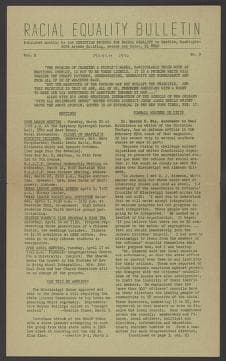
The Arrest of Rosa Parks: The Catalyst for Change in Montgomery
On December 1, 1955, in Montgomery, Alabama, Rosa Parks was arrested for refusing to give up her seat to a white man on a city bus. This seemingly small act of defiance ignited the Montgomery Bus Boycott, a pivotal event in the American Civil Rights Movement. The boycott lasted 381 days and was marked by widespread participation from the African American community, who organized car pools, church meetings, and rallies. Ultimately, it led to a Supreme Court ruling that declared bus segregation unconstitutional, forever changing the landscape of civil rights in the United States [1][2].
Parks's arrest was not an isolated incident; it was the culmination of years of systemic oppression and racial discrimination faced by African Americans in the South. The Jim Crow laws enforced racial segregation in all public facilities, including buses, schools, and restaurants. Montgomery's public transportation system was particularly notorious for its discriminatory practices, which forced black passengers to sit at the back of the bus and yield their seats to white riders. Parks's refusal to comply with this unjust system became a powerful symbol of resistance and sparked a movement that would resonate throughout the nation [3][4].
The Role of the Women’s Political Council in Montgomery
Before Rosa Parks's arrest, the groundwork for the Montgomery Bus Boycott had already been laid by the Women’s Political Council (WPC). Founded in 1946, the WPC was a group of African American women who sought to address issues of racial inequality in Montgomery. They organized campaigns, educated the community about civil rights, and advocated for better treatment of black passengers on public transportation.
In the months leading up to Parks's arrest, the WPC had been gathering data on the mistreatment of black riders. They documented instances of discrimination, including the practice of forcing black passengers to give up their seats to white passengers. The WPC's efforts culminated in a well-organized plan to boycott the buses if a suitable catalyst arose. When Parks was arrested, the WPC quickly mobilized, calling for a boycott of the Montgomery bus system that would resonate throughout the nation [1][4].
The WPC's leadership was instrumental in shaping the narrative around the boycott. They understood that the bus system was not just a means of transportation but a battleground for civil rights. By highlighting the injustices faced by black riders, they were able to galvanize support from the community. Their strategic planning and advocacy laid the foundation for the boycott, demonstrating the critical role that women played in the civil rights movement [2][5].
Martin Luther King Jr.: Emerging Leadership
The boycott gained momentum under the leadership of Martin Luther King Jr., a young pastor at the Dexter Avenue Baptist Church. King was relatively unknown at the time, but his eloquence and commitment to nonviolent protest made him a natural leader for the movement. He was elected president of the Montgomery Improvement Association (MIA), which was formed to coordinate the boycott.
King's leadership style emphasized nonviolence and civil disobedience, inspired by the teachings of Mahatma Gandhi. He encouraged participants to remain peaceful, even in the face of hostility. His ability to articulate the goals of the boycott and the broader civil rights movement helped galvanize support from both local and national communities. King’s speeches, filled with hope and determination, inspired many to join the cause, and he became a prominent figure in the struggle for civil rights [2][5].
King's emergence as a leader was not without challenges. He faced significant opposition from both local authorities and some members of the African American community who were skeptical of his methods. However, his steadfast commitment to nonviolence and his ability to communicate the moral imperative of the movement helped to unify the participants. Under his guidance, the MIA organized mass meetings, rallies, and educational campaigns that kept the momentum of the boycott alive [1][3].
Organizing the Boycott: Car Pools and Community Support
The Montgomery Bus Boycott was not just a spontaneous reaction to Parks's arrest; it was a carefully organized effort that relied heavily on community involvement. The MIA and the WPC worked together to create a transportation system for those who relied on the buses to get to work. Car pools were established, and volunteers drove their neighbors to their jobs, ensuring that the boycott would not disrupt the daily lives of the participants.
Churches played a crucial role in this organization. They served as meeting places for planning and strategizing. The black community in Montgomery rallied around their churches, which became centers of support and activism. The boycott was not only about refusing to ride the buses; it was also about fostering a sense of unity and purpose among African Americans in Montgomery. This collective effort demonstrated the power of community organizing in the face of systemic oppression [1][3].
The car pool system was a remarkable feat of organization. Volunteers coordinated schedules and routes, ensuring that those who needed rides could get to work without relying on the segregated bus system. This grassroots effort not only maintained the boycott's momentum but also reinforced community ties. Participants felt empowered as they worked together to support one another, creating a sense of solidarity that was crucial for the boycott's success [4][5].
The Economic Impact of the Boycott
The economic ramifications of the Montgomery Bus Boycott were significant. The bus company, which relied heavily on the fares of black passengers, began to feel the financial strain almost immediately. The boycott led to a dramatic drop in ridership, and the loss of revenue put pressure on the city to address the demands of the protesters.
The economic impact extended beyond the bus company. Local businesses that catered to the black community also suffered as people refrained from spending money in protest. This economic pressure was a key factor in the eventual negotiations between the city and the leaders of the boycott. It highlighted the economic power of the African American community and demonstrated that organized action could lead to tangible results [2][4].
As the boycott progressed, the bus company attempted to counteract the financial losses by implementing measures to attract white riders. However, these efforts were largely ineffective, as the black community remained resolute in their commitment to the boycott. The economic strain on the bus company ultimately forced city officials to reconsider the segregation policies that had long been in place [1][3].
Legal Challenges: Browder v. Gayle
As the boycott continued, legal challenges emerged. The MIA, under King’s leadership, sought to challenge the constitutionality of bus segregation. The case that would ultimately arise from this effort was Browder v. Gayle. In 1956, the MIA, along with several plaintiffs, filed a lawsuit against the city of Montgomery and the bus company, arguing that segregation on public buses violated the Equal Protection Clause of the Fourteenth Amendment.
The case was heard in the U.S. District Court for the Middle District of Alabama. On June 5, 1956, Judge Frank M. Johnson Jr. ruled in favor of the plaintiffs, declaring that the segregation laws were unconstitutional. This landmark decision was a significant victory for the civil rights movement and set a precedent for future legal challenges against segregation [1][5].
The ruling in Browder v. Gayle was a turning point in the legal battle against segregation. It not only affirmed the rights of African Americans to be treated equally but also provided a legal framework for challenging discriminatory practices across the country. The case underscored the importance of the judiciary in the civil rights movement and demonstrated that legal action could be an effective tool for achieving social change [2][4].
The Supreme Court Ruling and Its Aftermath
Following the ruling in Browder v. Gayle, the case was appealed to the Supreme Court. On December 17, 1956, the Court upheld the lower court's decision, effectively ending bus segregation in Montgomery. This ruling was a monumental victory for the civil rights movement and served as a catalyst for further activism across the nation.
The Supreme Court's decision did not come without resistance. Many white residents of Montgomery were outraged, and there were threats of violence against those who supported the ruling. However, the determination of the African American community remained strong. The boycott officially ended on December 20, 1956, when the buses were desegregated, marking a significant achievement in the ongoing struggle for civil rights [2][4].
In the aftermath of the ruling, the city of Montgomery faced a significant backlash. Some white residents organized protests and boycotts of their own, attempting to undermine the progress made by the civil rights movement. Nevertheless, the successful desegregation of the bus system served as a beacon of hope for activists across the country, demonstrating that change was possible through collective action and legal challenges [1][3].
The Legacy of the Montgomery Bus Boycott
The Montgomery Bus Boycott had far-reaching implications for the Civil Rights Movement and American society as a whole. It demonstrated the effectiveness of nonviolent protest and community organizing. The success of the boycott inspired other civil rights actions, including sit-ins, freedom rides, and marches, all aimed at dismantling segregation and discrimination.
Moreover, the boycott helped to elevate Martin Luther King Jr. as a national leader in the civil rights movement. His philosophy of nonviolent resistance became a foundational principle for future protests and movements. The strategies developed during the boycott, such as grassroots organizing and coalition-building, became essential tools for activists in the years to come [1][3].
The boycott also had a profound impact on the national consciousness regarding civil rights. It brought the issues of racial injustice and segregation to the forefront of American society, prompting discussions and debates that had long been suppressed. The visibility of the boycott and the media coverage it received helped to galvanize support for the civil rights movement beyond the borders of Montgomery [2][5].
Conclusion: A Turning Point in American History
The Montgomery Bus Boycott was more than just a protest against bus segregation; it was a turning point in American history. It showcased the power of collective action and the importance of community in the fight for civil rights. The events that unfolded in Montgomery in 1955 and 1956 set the stage for a broader movement that would challenge systemic racism across the United States.
Rosa Parks's arrest was indeed the spark, but it was the 381 days of walking, organizing, and fighting for justice that ignited a flame of change. The boycott not only ended segregation on Montgomery's buses but also laid the groundwork for future civil rights victories, making it a pivotal moment in the ongoing struggle for equality in America [2][5].
The legacy of the Montgomery Bus Boycott continues to resonate today. It serves as a reminder of the power of grassroots activism and the importance of standing up against injustice. The courage displayed by Rosa Parks, the leadership of Martin Luther King Jr., and the collective efforts of the African American community in Montgomery remain an enduring symbol of the fight for civil rights in the United States [1][4].