
The Marches from Selma to Montgomery: A Fight for Voting Rights in 1965
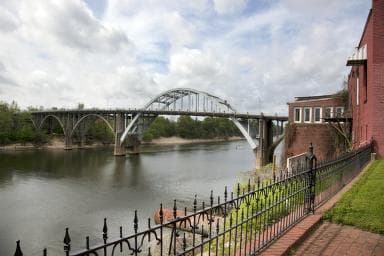
On March 7, 1965, a peaceful march for voting rights was brutally attacked on the Edmund Pettus Bridge in Selma, Alabama. This event, known as Bloody Sunday, became a pivotal moment in the American civil rights movement [4]. It galvanized public opinion and led to the eventual passage of the Voting Rights Act of 1965, a landmark piece of legislation that aimed to eliminate barriers to voting for African Americans [2]. The violence witnessed that day was not an isolated incident but rather a culmination of years of systemic oppression and disenfranchisement faced by Black Americans in the South.
The marches from Selma to Montgomery, which took place in March and April of 1965, were organized to protest the systemic disenfranchisement of Black voters in the South [1]. The events surrounding these marches highlighted the struggle for civil rights and the urgent need for federal intervention to protect voting rights. This struggle was not merely about the act of voting; it was about the fundamental rights of citizenship and the dignity of African Americans.
Context: The Fight for Voting Rights Before 1965
By the early 1960s, African Americans in the South faced numerous obstacles when trying to register to vote. Despite the constitutional right to vote, discriminatory practices such as literacy tests, poll taxes, and intimidation tactics were widespread [3]. In Alabama, only a small percentage of eligible Black voters were registered, with estimates suggesting that less than 1% of Black citizens in some counties were able to vote [1]. The situation was dire, and activists recognized that direct action was necessary to draw attention to these injustices.
Organizations like the Southern Christian Leadership Conference (SCLC) and the Student Nonviolent Coordinating Committee (SNCC) were at the forefront of the civil rights movement. Leaders such as Martin Luther King Jr. and John Lewis played crucial roles in organizing protests and advocating for change. The Selma to Montgomery marches were a strategic effort to highlight the need for voting rights legislation at the federal level. The choice of Selma as a starting point was significant; it was a city with a long history of racial tension and violence against Black citizens, making it a focal point for the movement [5].
Bloody Sunday: The Attack on March 7, 1965
The first march from Selma to Montgomery began on March 7, 1965. Approximately 600 marchers set out from Selma, intending to reach the Alabama State Capitol in Montgomery, a distance of about 54 miles [1]. The marchers were met at the Edmund Pettus Bridge by Alabama state troopers, who ordered them to turn back. When the marchers refused, the police violently attacked them with clubs and tear gas. This brutal confrontation was televised, shocking the nation and drawing widespread condemnation [4].
The images of the violence on Bloody Sunday galvanized support for the civil rights movement. Many Americans, previously unaware of the severity of the situation in the South, were moved to action. The brutality of the attack highlighted the urgent need for federal intervention to protect the voting rights of African Americans. The televised images of marchers being beaten and tear-gassed became a rallying point for activists and sympathizers across the country, leading to an outpouring of support for the movement [5].
The Aftermath of Bloody Sunday: A Second March
In the wake of Bloody Sunday, Martin Luther King Jr. and other leaders called for a second march. This march, scheduled for March 9, was more symbolic than a direct attempt to reach Montgomery. King led a group of marchers to the bridge, prayed, and then turned back, demonstrating a commitment to nonviolence and a desire to avoid further confrontation. This act of turning back was a strategic decision, showcasing the discipline of the movement and its commitment to peaceful protest [3].
The events of Bloody Sunday and the subsequent march drew significant national attention. President Lyndon B. Johnson, responding to the public outcry, called for a federal response to the crisis. He addressed the nation on March 15, 1965, stating that the right to vote was "the most powerful instrument ever devised by man for breaking down injustice" [2]. Johnson pledged to support legislation that would ensure voting rights for all Americans. His commitment marked a significant shift in federal policy and underscored the importance of the Selma marches in shaping national discourse around civil rights.
The Court Order: Allowing the March to Proceed
Following the national outcry and the intervention of federal authorities, a federal district court granted permission for the march to proceed. On March 21, 1965, thousands of marchers, including clergy and civil rights activists from across the country, gathered in Selma to participate in the march to Montgomery [1]. The march was protected by federal forces, ensuring the safety of the participants. This federal protection was a crucial development, as it represented a shift in the government's stance toward the civil rights movement.
The march began on March 21 and lasted for five days. Participants walked approximately 54 miles, facing the elements and the threat of violence. Along the route, they were met with support from local residents and activists who joined the march. The march concluded on March 25, 1965, with a rally at the Alabama State Capitol, where King and other leaders delivered powerful speeches advocating for voting rights [5]. The atmosphere was electric, filled with hope and determination, as thousands gathered to demand justice and equality.
The Voting Rights Act of 1965: A Landmark Achievement
The culmination of the Selma to Montgomery marches was the passage of the Voting Rights Act on August 6, 1965 [2]. This legislation aimed to eliminate the barriers that had prevented African Americans from exercising their right to vote. The Act prohibited discriminatory practices, such as literacy tests and poll taxes, and provided for federal oversight of voter registration in areas with a history of discrimination. The passage of this Act was a monumental achievement for the civil rights movement and a testament to the power of grassroots activism.
The Voting Rights Act was a significant victory for the civil rights movement and marked a turning point in American history. It empowered millions of African Americans to register and vote, fundamentally changing the political landscape of the South. The Act also laid the groundwork for future civil rights legislation and reinforced the federal government's commitment to protecting the rights of all citizens. However, the struggle did not end with the passage of the Act; it was merely a beginning.
The Impact of the Selma to Montgomery Marches
The Selma to Montgomery marches had a profound impact on American society. They not only highlighted the struggle for voting rights but also brought attention to the broader issues of racial inequality and injustice. The marches inspired a new generation of activists and reinforced the importance of nonviolent protest as a means of effecting change. The images of the marches and the violence faced by participants became iconic symbols of the civil rights struggle [3].
In the years following the passage of the Voting Rights Act, voter registration among African Americans in the South increased dramatically. The Act also led to the election of more Black officials at local, state, and national levels. By the end of the 1960s, the number of registered Black voters in the South had increased significantly, reflecting the impact of the legislation. However, the struggle for voting rights did not end with the passage of the Act. Ongoing efforts to combat voter suppression and discrimination continue to this day, as various laws and practices have emerged that seek to undermine the progress made [2].
Legacy of the Selma to Montgomery Marches
The legacy of the Selma to Montgomery marches is evident in the continued fight for civil rights and social justice in the United States. The events of 1965 serve as a reminder of the power of grassroots activism and the importance of standing up against injustice. The marches are commemorated annually, with events that honor the sacrifices made by those who fought for voting rights. The Edmund Pettus Bridge has become a symbol of the struggle for civil rights, and the marches are remembered as a pivotal moment in American history [1].
In 2015, the 50th anniversary of the Selma to Montgomery marches was marked by a series of events that brought together leaders, activists, and citizens to reflect on the progress made and the work that remains. The anniversary served as a platform for discussions about ongoing issues related to voting rights, including voter ID laws and gerrymandering, which disproportionately affect minority communities [5]. The legacy of Selma continues to inspire new movements for justice and equality, reminding us that the fight for civil rights is far from over.
Conclusion: The Ongoing Fight for Voting Rights
The Selma to Montgomery marches of 1965 were a crucial turning point in the fight for voting rights in the United States. The violence of Bloody Sunday and the subsequent marches galvanized public support and led to the passage of the Voting Rights Act [2]. While significant progress has been made, the struggle for equal voting rights continues. The legacy of the Selma to Montgomery marches serves as a powerful reminder of the importance of civic engagement and the ongoing fight against injustice. As we reflect on this history, it is vital to recognize that the work of activists in Selma laid the groundwork for future generations to continue the fight for equality and justice.
The Selma to Montgomery marches not only changed the landscape of voting rights in America but also set a precedent for how social movements could mobilize public opinion and effect change. The courage and determination displayed by the marchers serve as an enduring inspiration for those who continue to advocate for civil rights today. As we confront new challenges in the realm of voting rights, the lessons learned from Selma remain relevant, urging us to remain vigilant and active in the pursuit of justice for all.