
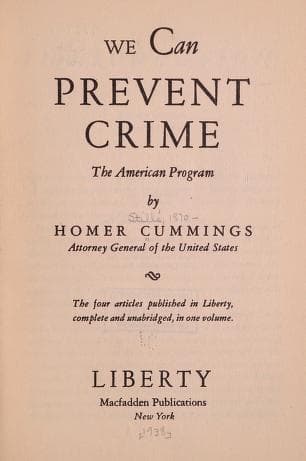
The Lindbergh Kidnapping: A National Obsession in 1932 New Jersey
On the night of March 1, 1932, the world was shaken by the kidnapping of Charles Lindbergh Jr., the infant son of famed aviator Charles Lindbergh and his wife, Anne Morrow Lindbergh. The baby was taken from his crib in the Lindbergh home in Hopewell, New Jersey, igniting a media frenzy and a nationwide obsession that would last for years. The case, often referred to as the "Crime of the Century," not only captivated the American public but also led to significant changes in U.S. law regarding kidnapping [1]. The Lindbergh kidnapping became a symbol of the vulnerability of children and the lengths to which families would go to protect them.
The Lindberghs were not just any family; they were among the most famous in America. Charles Lindbergh had achieved international fame after completing the first solo nonstop transatlantic flight in 1927. His celebrity status only heightened the public's interest in the kidnapping, as many felt a personal connection to the family. The case quickly transcended the boundaries of a local crime, becoming a national spectacle that would dominate headlines for years to come.
The Kidnapping: A Shocking Discovery
The Lindbergh family had moved to their secluded estate in Hopewell, a quiet area that seemed safe for raising their child. However, the tranquility was shattered when the baby was discovered missing. The abduction was discovered by the child's nurse, Betty Gow, who found the nursery empty and a ransom note left behind. The note demanded a ransom of $50,000, a staggering sum at the time, and warned that the child would be harmed if the demands were not met [2]. The ransom demand was not only shocking but also indicative of the desperation and fear that gripped the Lindbergh family.
The initial investigation was chaotic. Local law enforcement was quickly overwhelmed, and the case soon attracted the attention of the New Jersey State Police and the FBI [1]. The Lindberghs, desperate to recover their child, complied with the ransom demand, hoping it would lead to the safe return of their son. They received a series of notes from the kidnappers, which were filled with misspellings and odd phrasing, leading investigators to believe that the perpetrator was not highly educated. This detail would later play a crucial role in the investigation, as authorities sought to profile the kidnapper based on the language used in the notes [3].
The media coverage of the kidnapping was unprecedented. Newspapers across the country reported on every development, and the public was captivated by the unfolding drama. The Lindberghs' plight resonated with many parents, who could not help but imagine the fear and anguish of losing a child. The case became a focal point for discussions about child safety, crime, and the role of the media in sensationalizing tragedies [4].
The Ransom and the Search
After the ransom was paid on April 2, 1932, the Lindberghs received a note indicating that the baby would be returned. However, days turned into weeks with no sign of Charles Jr. The search expanded, with volunteers scouring the surrounding areas and law enforcement agencies conducting extensive investigations. The media coverage was relentless, with newspapers across the country publishing updates and theories about the case [4]. The public was captivated by the unfolding drama, and many felt a personal connection to the Lindbergh family, which only intensified the media's focus on the case.
Tragically, on May 12, 1932, the search ended in heartbreak when the remains of Charles Lindbergh Jr. were discovered in a wooded area not far from the family home. The child had been dead for several weeks, and the cause of death was determined to be a blow to the head [5]. This grim discovery intensified the public outcry and fueled the investigation into the kidnapping. The loss of the child was not just a personal tragedy for the Lindberghs; it became a national tragedy that highlighted the dangers facing children and the failures of the justice system to protect them.
The discovery of the body prompted a wave of anger and grief across the nation. Many Americans felt a deep sense of loss, as if the tragedy had struck their own families. The case underscored the vulnerability of children in an increasingly dangerous world, leading to calls for stricter laws regarding child safety and kidnapping. The Lindbergh case became a rallying point for advocates pushing for legislative changes to protect children and ensure justice for victims of abduction [2].
The Arrest of Bruno Richard Hauptmann
The investigation took a significant turn when, in September 1934, Bruno Richard Hauptmann was arrested. Hauptmann, a German immigrant, was found in possession of a large sum of cash that matched the serial numbers of the ransom money [1]. His arrest was a pivotal moment in the case, as he became the prime suspect in the kidnapping and murder of the Lindbergh baby. The evidence against Hauptmann was compelling, but his claims of innocence would lead to a protracted legal battle that captured the nation's attention.
Hauptmann maintained his innocence throughout the investigation and trial, claiming that he had found the money and had no involvement in the crime. However, the evidence against him was substantial. In addition to the ransom money, investigators uncovered wood from a ladder used in the kidnapping that matched wood found in Hauptmann's attic [2]. This evidence, combined with witness testimonies, painted a damning picture of his involvement. The case against Hauptmann was bolstered by the discovery of a series of incriminating letters and his inconsistent statements during police interrogations.
The arrest of Hauptmann was met with mixed reactions. While many were relieved that a suspect had been apprehended, others questioned the thoroughness of the investigation. Some believed that the police were eager to close the case and that Hauptmann might not be the true perpetrator. The media continued to sensationalize the story, with headlines that often painted Hauptmann as a villain before he had even been tried [3]. This atmosphere of public scrutiny added pressure to the legal proceedings and raised concerns about the fairness of the trial.
The Trial of Bruno Hauptmann: A Media Circus
The trial of Bruno Hauptmann began on January 2, 1935, and quickly became a sensational media event. The courtroom was packed with reporters, and the public was riveted by the proceedings. The trial was broadcast across the nation, and the intense scrutiny placed immense pressure on the legal system [4]. The prosecution presented a compelling case, while the defense struggled to counter the overwhelming evidence. The trial became a spectacle, drawing comparisons to other high-profile cases and raising questions about the role of media in the judicial process.
Hauptmann's trial was marked by dramatic moments, including the testimony of key witnesses and the emotional impact of the case on the Lindbergh family. The media frenzy surrounding the trial contributed to a climate of public opinion that was heavily biased against Hauptmann. The case was not just about the kidnapping; it was a reflection of societal fears and the desire for justice in the face of a horrific crime. The intense media coverage often sensationalized the proceedings, leading to public outcry and demands for a swift verdict.
The prosecution's case relied heavily on circumstantial evidence, including the ransom money and the ladder. However, the defense argued that the evidence was insufficient to prove Hauptmann's guilt beyond a reasonable doubt. They pointed to the lack of direct evidence linking him to the crime scene and questioned the reliability of witness testimonies. The trial became a battleground for competing narratives, with each side presenting its version of events to a captivated audience [5].
On February 13, 1935, after just over a month of testimony, the jury found Hauptmann guilty of first-degree murder. He was sentenced to death, and the verdict was met with widespread approval from the public, who had followed the case closely [5]. The trial and its outcome sparked debates about the fairness of the legal process and the role of media in shaping public perception. Many questioned whether Hauptmann had received a fair trial.
The Aftermath: Execution and Legacy
Despite his conviction, Hauptmann maintained his innocence, and his case continued to draw attention even after the trial. Appeals were filed, and public support for Hauptmann grew among those who believed he had been wrongfully convicted. The case became a focal point for discussions about the death penalty and the justice system's treatment of suspects [4]. Hauptmann was executed in the electric chair on April 3, 1936, but the controversy surrounding his trial and conviction lingered.
The Lindbergh kidnapping had far-reaching implications for American society. It led to the passage of the Federal Kidnapping Act in 1932, also known as the Lindbergh Law, which made it a federal crime to transport a kidnapped person across state lines. This legislation aimed to provide law enforcement with greater resources and authority to combat kidnapping, reflecting the public's desire for enhanced protection for children [1]. The case also prompted discussions about the role of the media in high-profile trials, raising questions about ethics and responsibility in journalism.
In the years following the trial, the Lindbergh family struggled with their loss. Charles and Anne Lindbergh became increasingly reclusive, retreating from the public eye. Their experience had transformed them, and they became advocates for child safety and privacy rights. The case had not only shattered their family but also altered the landscape of American society's approach to crime and child protection [2].
The Lindbergh kidnapping remains a significant event in American history, serving as a reminder of the vulnerabilities faced by families and the complexities of the justice system. The case continues to be studied and debated, with scholars examining its impact on law enforcement practices, media ethics, and societal attitudes toward crime and punishment. The legacy of the Lindbergh case is one of both tragedy and transformation, as it reshaped the national conversation around child safety and the responsibilities of those in power [3].