
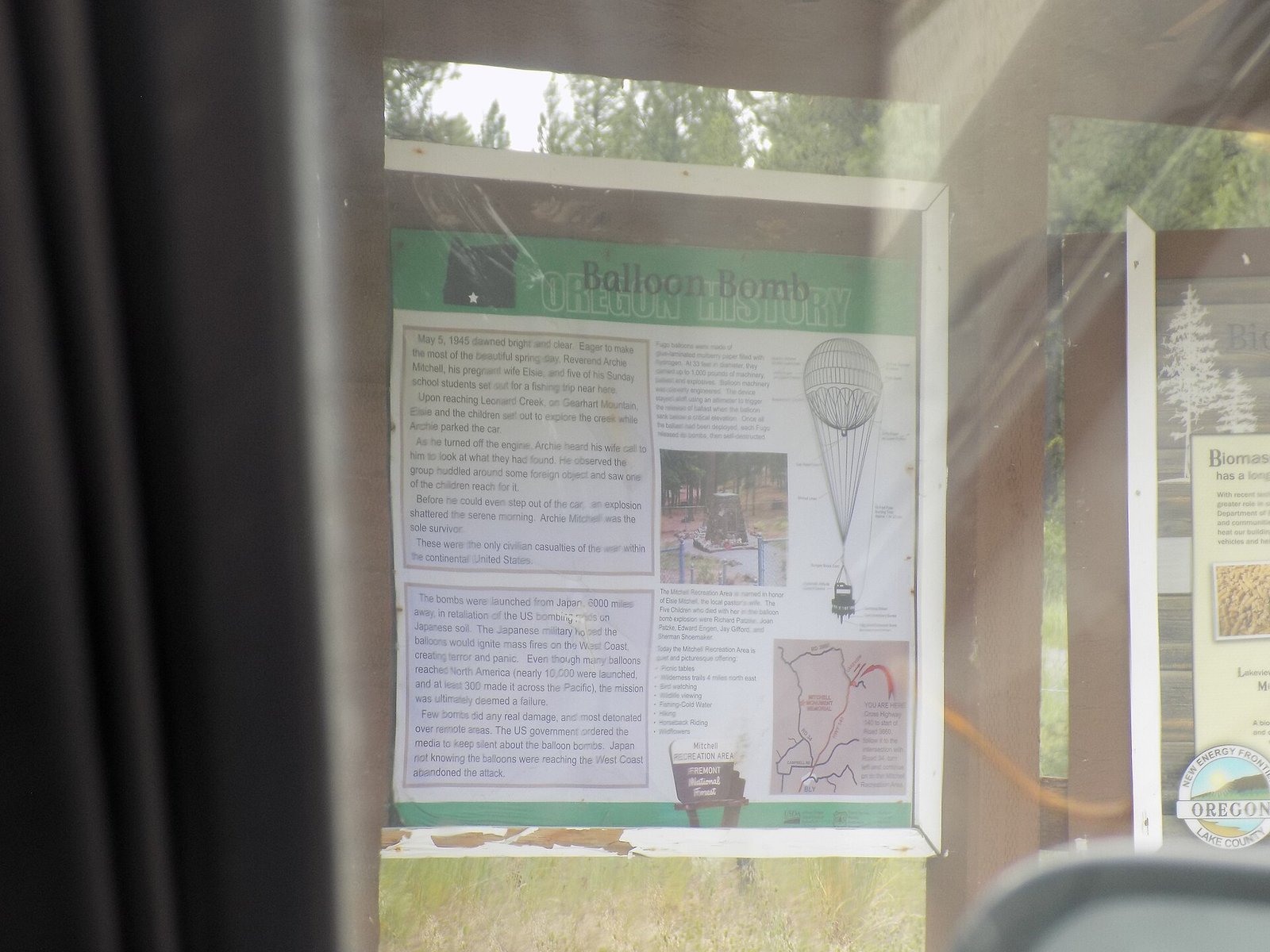
The Launch of Fu-Go Balloon Bombs: A Unique WWII Strategy
In late 1944, Japan initiated an unconventional military strategy by launching thousands of balloon bombs, known as Fu-Go, across the Pacific Ocean. These bomb-carrying balloons were designed to reach the American mainland, causing destruction and instilling fear. One of these balloons tragically resulted in the deaths of six people in Oregon, marking the only confirmed fatalities from enemy action on the continental United States during World War II. This event not only highlighted the reach of Japanese military efforts but also raised questions about wartime secrecy and the impact of unconventional warfare.
Understanding the Fu-Go Balloon Bombs
The Fu-Go balloons were a response to Japan's need for a cost-effective and innovative way to strike the United States. Launched from the Japanese home islands, these balloons were made of lightweight materials and carried incendiary and explosive devices. Each balloon was filled with hydrogen, allowing it to ascend to altitudes of around 30,000 feet. The balloons were designed to drift with the jet stream, which could carry them across the Pacific in a matter of days, targeting the U.S. mainland and Canada.
The design of the Fu-Go balloons was simple yet effective. Each balloon was approximately 33 feet in diameter and could carry a payload of up to 15 kilograms (about 33 pounds) of explosives and incendiaries. The Japanese military aimed to create widespread panic and destruction, hoping that the balloons would ignite forest fires and disrupt American war production efforts. The first balloons were launched in November 1944, and by April 1945, it is estimated that around 9,000 balloons were sent into the air, with approximately 300 reaching the United States and Canada [1][2].
The choice of using balloons as a weapon was particularly innovative for its time. The Japanese military sought to exploit the natural atmospheric conditions, utilizing the jet stream to carry their payloads over vast distances without the need for aircraft. This method was not only cost-effective but also allowed Japan to strike at the heart of the American homeland without risking their own pilots or aircraft. The Fu-Go campaign was a desperate attempt to shift the momentum of the war, which had increasingly turned against Japan as the Allies gained ground in the Pacific [2][3].
The Oregon Incident: A Tragic Outcome
On May 5, 1945, a group of six individuals, including five schoolchildren and their teacher, encountered one of these balloon bombs in the remote woods of southern Oregon. The group was on a picnic near Bly, Oregon, when they discovered the balloon, which had landed in a clearing. Unaware of the danger, they approached the device, which was still intact. When one of the children attempted to touch it, the bomb detonated, killing all six instantly.
This incident marked a significant moment in American history, as it was the first and only confirmed deaths on the U.S. mainland due to enemy action during World War II. The victims were identified as Elaine E. Henson, 16; her teacher, Margaret H. Downing, 29; and four other children: 11-year-old Edward A. Dyer, 13-year-old John E. W. Henson, 11-year-old Richard E. Henson, and 10-year-old Gerald A. Henson. The tragedy shocked the local community and raised concerns about the effectiveness of wartime information control [3][4].
In the aftermath of the explosion, the local community was left in disbelief. The incident was not just a tragic loss of life; it was a stark reminder of the war's reach into American life. The U.S. military quickly moved to investigate the incident, but the secrecy surrounding the balloon bomb program complicated their efforts. The government was reluctant to disclose the nature of the threat, fearing that it would cause widespread panic among the populace [5].
Wartime Secrecy and the Cover-Up
In the wake of the Oregon incident, the U.S. government faced a dilemma regarding how to handle information about the balloon bombs. The military and government officials were concerned that public knowledge of the attacks could lead to panic and undermine morale on the home front. As a result, they implemented a strict policy of secrecy surrounding the Fu-Go balloon bomb program.
Initially, the U.S. government downplayed the significance of the balloon bombs. The War Department issued a statement that there was no need for concern, as the balloons posed little threat. However, the reality was that the balloons had already caused damage in several states, including California and Oregon, where they had ignited small fires. The government’s decision to keep the incident under wraps was partly motivated by a desire to maintain public confidence and avoid giving the Japanese any sense of success [2][5].
Despite the government's efforts to suppress information, reports of balloon sightings began to surface. In some cases, local newspapers reported on the discovery of the balloons, but the military quickly intervened to prevent further coverage. The secrecy surrounding the balloon bombs continued until the end of the war, with the government only acknowledging the attacks after Japan's surrender in September 1945.
The decision to maintain secrecy had significant implications. It not only affected public perception but also hampered the military's ability to respond effectively to the threat posed by the balloon bombs. The lack of information led to confusion and uncertainty among local authorities and the general public, who were left unaware of the potential dangers lurking in their backyards [4][5].
The Broader Impact of Fu-Go Balloon Bombs
The Fu-Go balloon bomb campaign was not just a military strategy; it was also a psychological operation. The Japanese hoped to instill fear in the American public and demonstrate that the war was not confined to the battlefields of Europe and the Pacific. By launching these balloons, Japan aimed to show that it could reach the American homeland, thereby affecting public perception and morale.
While the overall impact of the balloon bombs was limited in terms of physical damage, the psychological effects were more significant. The knowledge that Japan could strike the U.S. mainland created a sense of vulnerability among Americans. The government’s response to the incident also highlighted the lengths to which it would go to control information during wartime, raising questions about transparency and public trust.
In total, it is estimated that around 300 of the Fu-Go balloons made it to the United States, with some landing in remote areas and others causing minor fires. Most of the balloons were found without incident, but the Oregon tragedy underscored the potential dangers posed by these unconventional weapons. The U.S. military took the threat seriously and began efforts to track and intercept any remaining balloons that might still be launched [1][3].
The psychological impact of the Fu-Go campaign extended beyond the immediate aftermath of the Oregon incident. As news of the balloons spread, it contributed to an atmosphere of fear and uncertainty. Communities across the West Coast became increasingly vigilant, with reports of balloon sightings prompting local authorities to investigate. This heightened awareness of the threat posed by the balloons reflected the broader anxieties of a nation at war, where every new development was scrutinized for its potential implications [2][4].
The Legacy of the Fu-Go Balloon Bombs
The legacy of the Fu-Go balloon bombs extends beyond the immediate impact of the Oregon incident. The campaign is often cited as an example of the innovative and desperate measures taken by Japan in the latter stages of World War II. It also serves as a reminder of the complexities of warfare, where traditional military strategies intersect with psychological operations.
In the years following the war, the Fu-Go balloon bomb campaign has been studied by historians and military strategists alike. It raises important questions about the effectiveness of unconventional warfare and the challenges of defending against such tactics. The incident in Oregon remains a poignant reminder of the war's reach and the unexpected ways in which it affected American lives.
The U.S. government eventually lifted the veil of secrecy surrounding the balloon bombs, allowing for a more comprehensive understanding of the events that transpired. Today, the story of the Fu-Go balloon bombs is preserved in various historical accounts and museums, ensuring that the lessons learned from this unique chapter in World War II are not forgotten. The Oregon incident, in particular, has become a focal point for discussions about the impact of war on civilian life and the importance of transparency in government communications during crises [1][2].
Moreover, the Fu-Go campaign has implications for contemporary discussions about warfare and national security. The use of unconventional tactics, such as balloon bombs, raises questions about how nations can prepare for and respond to asymmetric threats. As technology continues to evolve, the lessons learned from the Fu-Go campaign remain relevant in understanding the complexities of modern warfare [3][5].
Conclusion: A Unique Chapter in WWII History
The Fu-Go balloon bombs represent a fascinating and tragic aspect of World War II history. Launched with the intent to cause destruction and fear, these balloons ultimately resulted in the loss of innocent lives in Oregon. The government's response to the incident highlights the complexities of wartime information control and the psychological impact of unconventional warfare. As we reflect on this event, it is crucial to remember the individuals affected and the broader implications of such military strategies.
The story of the Fu-Go balloon bombs serves as a reminder of the lengths to which nations will go in times of war, and the unintended consequences that can arise from innovative military tactics. The legacy of these balloon bombs continues to resonate, prompting ongoing discussions about the nature of warfare and the importance of safeguarding civilian lives in conflict situations.