
The Hartford Circus Fire: When the Big Top Became a Death Trap in Minutes
On July 6, 1944, a seemingly ordinary day in Hartford, Connecticut, turned into a nightmare that would haunt the city and the nation for decades. The Ringling Bros. and Barnum & Bailey Circus, known as "The Greatest Show on Earth," was performing under a massive tent when disaster struck. In a matter of minutes, a waterproofed tent became a raging inferno, claiming the lives of 167 people and leaving many unidentified for years [1]. This tragic event not only marked a dark chapter in circus history but also led to significant changes in safety regulations for public events.
The Setting: A Day at the Circus
The Hartford Circus Fire occurred during a matinee performance of the circus, which was a staple of American entertainment in the mid-20th century [2]. Families flocked to the big top, eager to witness the dazzling acts, from acrobats to animal performances. The circus was a vibrant spectacle, filled with laughter, excitement, and the smell of popcorn and cotton candy. However, beneath the colorful facade lay an unsettling truth: the circus tent, made from a highly flammable material, was a disaster waiting to happen [3].
The tent was treated with a flammable waterproofing agent, which, unbeknownst to many, would contribute to the rapid spread of flames [4]. As the audience settled into their seats, the atmosphere was electric, filled with anticipation. Little did they know that within hours, the joyous occasion would turn into a scene of horror. The circus was a cherished American tradition, and the Hartford performance was expected to be a highlight of the summer season. However, the very fabric of the tent, designed to protect against rain, would soon become a deadly trap.
The Fire Ignites
The fire began shortly after 2:00 PM, during a performance featuring the circus's famed elephants [5]. Eyewitness accounts describe a sudden flash of flames erupting from the tent's side, ignited by a discarded match or cigarette. The exact cause remains uncertain, but the results were catastrophic. The fire spread with alarming speed, fueled by the tent's flammable materials and the intense summer heat. Within minutes, the entire structure was engulfed in flames, trapping thousands of spectators inside [1].
Panic ensued as the audience scrambled for the exits. The chaos was exacerbated by the fact that many of the exits were blocked or poorly marked [2]. As people rushed to escape, the tent's design created a deadly trap. The flames and smoke filled the air, making it nearly impossible to see or breathe. The scene was one of utter devastation, with families torn apart and lives lost in an instant. Survivors later recounted the harrowing experience of trying to find their loved ones amid the chaos, with many unable to escape the inferno [3].
The Aftermath: A Nation in Shock
When the fire was finally extinguished, the aftermath was horrific. First responders were met with a scene of unimaginable tragedy. The death toll reached 167, with countless others injured [4]. Many of the victims were children, and the loss was felt deeply across the nation. The tragedy shocked the public, leading to widespread media coverage and an outpouring of grief. The Hartford Circus Fire was one of the deadliest fires in U.S. history, and its impact reverberated far beyond the city limits [5].
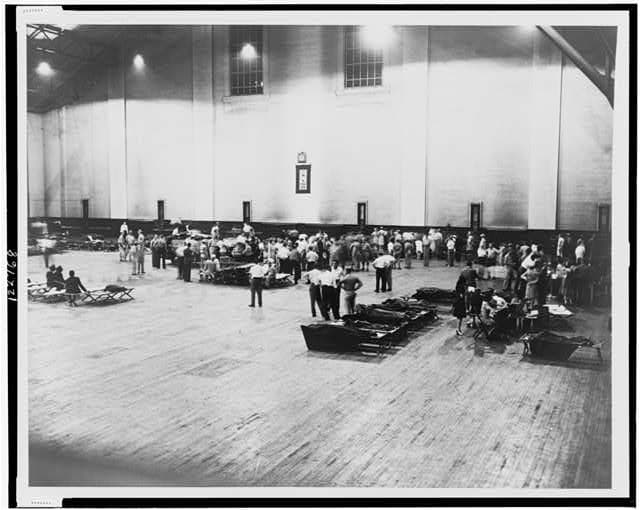
In the days following the fire, the city of Hartford was left to grapple with the enormity of the disaster. Makeshift memorials sprang up, and the community came together to mourn the loss of life. However, the tragedy did not end with the extinguishing of the flames. The identification of victims proved to be a monumental task, as many bodies were burned beyond recognition. For decades, families searched for their loved ones, hoping for closure. The emotional toll on the community was profound, as many families were left without answers, and the search for the missing became a haunting reality [1].
The Mystery of ‘Little Miss 1565’
Among the victims was a young girl who became known as "Little Miss 1565." Her body was one of the many that were unidentifiable due to the severity of the burns [2]. For years, her identity remained a mystery, sparking intrigue and sorrow. The number assigned to her body became a symbol of the tragedy, representing the many lives lost that day. The media coverage surrounding her story brought national attention to the fire and the plight of the victims' families [3].
In 1950, after years of investigation, a woman named Betty Lou was finally identified as Little Miss 1565 [4]. Her story captured the hearts of many, illustrating the personal tragedies behind the statistics. The search for her identity highlighted the broader issue of how the victims of the Hartford Circus Fire were treated in death, as many families were left without answers for years. Betty Lou's story became emblematic of the countless lives affected by the fire, and her identification brought a bittersweet sense of closure to her family [5].
Investigations and Legal Proceedings
In the wake of the fire, investigations were launched to determine its cause and the responsibility of those involved. The Ringling Bros. and Barnum & Bailey Circus faced scrutiny over safety practices and the materials used in the tent [1]. The waterproofing agent, known as "Aqua-Tite," came under fire for its flammability. The circus's management was accused of negligence, leading to a series of lawsuits. The legal ramifications of the fire were extensive, with many families seeking justice for their losses [2].
The legal proceedings were lengthy and complex. Many families sought compensation for their losses, and the circus was forced to confront the consequences of the disaster. Ultimately, the circus settled many claims out of court, but the emotional scars remained for the victims' families [3]. The legal battles also prompted discussions about safety regulations for public events, leading to significant reforms in fire safety standards. The circus industry was scrutinized, and the tragedy served as a wake-up call for the need for improved safety measures [4].
The Impact on Circus Safety Regulations
The Hartford Circus Fire served as a catalyst for change in safety regulations across the United States [5]. In the years following the tragedy, legislators and safety advocates pushed for stricter guidelines for public gatherings, particularly those held under tents. The fire highlighted the need for better emergency preparedness and response plans, leading to the establishment of new safety codes. The tragedy underscored the importance of prioritizing safety in public entertainment venues [1].
One of the most significant changes was the implementation of fire safety regulations that required tents to be made from non-flammable materials [2]. This shift aimed to prevent similar disasters from occurring in the future. Additionally, public venues were mandated to have clear exit signs and adequate emergency lighting to guide patrons to safety in case of an emergency [3]. The Hartford Circus Fire became a pivotal moment in the history of public safety, influencing regulations that are still in place today [4].
The circus industry itself underwent a transformation. Performers and management began to prioritize safety, recognizing that the lives of both the audience and the crew depended on it [5]. The Hartford Circus Fire became a cautionary tale, reminding everyone involved in public entertainment of the importance of safety measures. The lessons learned from this tragedy have been instrumental in shaping the way circuses and other large events are organized and executed [1].
The Legacy of the Hartford Circus Fire
Decades later, the Hartford Circus Fire remains etched in the collective memory of those who lived through it [2]. The tragedy has been the subject of numerous books, documentaries, and articles, ensuring that the stories of the victims are not forgotten. Memorials have been erected in Hartford to honor the lives lost, and annual commemorations are held to remember the event [3]. The fire has become a significant part of Hartford's history, a somber reminder of the fragility of life [4].
The fire also sparked a renewed interest in circus history and the evolution of public safety. Researchers and historians have delved into the circumstances surrounding the disaster, shedding light on the lives of the victims and the impact of the tragedy on American culture [5]. The story of Little Miss 1565 continues to resonate, serving as a poignant reminder of the human cost of negligence. The legacy of the fire has influenced not only circus safety but also broader discussions about public safety in general [1].
In the years since the fire, the circus has evolved, adapting to changing societal norms and expectations. While the Ringling Bros. and Barnum & Bailey Circus closed its doors in 2017, the legacy of the Hartford Circus Fire lives on [2]. It serves as a reminder of the importance of safety in public gatherings and the need to honor those who lost their lives in the pursuit of entertainment. The circus, once a symbol of joy and wonder, now carries the weight of history and the lessons learned from tragedy [3].
Conclusion: Remembering the Victims
The Hartford Circus Fire was a tragic event that forever altered the landscape of circus performances and public safety in America [4]. The loss of 167 lives, many of whom were children, is a somber reminder of the fragility of life and the importance of safety measures in public spaces. As we reflect on this dark chapter in history, it is essential to remember the victims and their families, whose lives were irrevocably changed that fateful day [5].
The legacy of the Hartford Circus Fire continues to influence safety regulations and public awareness. It stands as a testament to the resilience of a community that came together in the face of unimaginable loss [1]. The stories of those who perished, including Little Miss 1565, remind us of the human cost behind the spectacle of entertainment. In remembering the past, we can strive to ensure that such a tragedy never occurs again. The Hartford Circus Fire serves as a crucial lesson in the importance of safety, vigilance, and compassion for those who gather to celebrate life’s joys.