
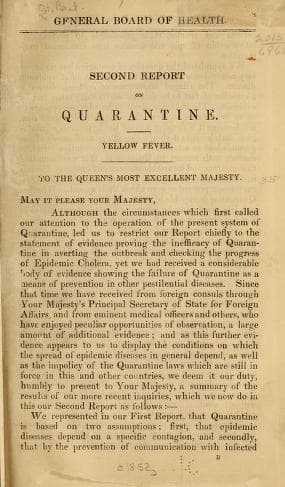
The Outbreak of Yellow Fever in Philadelphia, 1793
In the summer of 1793, Philadelphia became the epicenter of a devastating yellow fever epidemic that would claim thousands of lives and force the nation’s capital to flee. The outbreak began in August and escalated rapidly, leading to a public health crisis that exposed the limitations of contemporary medical practices and the social fabric of the city. As the death toll mounted, the government, including President George Washington, abandoned the capital, leaving the city to grapple with the chaos of disease and fear.
The Arrival of Yellow Fever
Yellow fever is a viral disease transmitted by mosquitoes, particularly the Aedes aegypti species. The first cases in Philadelphia were reported in late August 1793, with symptoms including fever, chills, and severe abdominal pain. By September, the situation had worsened dramatically. The disease spread quickly, fueled by the warm, humid conditions of the city, which were ideal for mosquito breeding. Within weeks, the death toll soared, and the city was gripped by panic as residents fled in droves to escape the epidemic [1][4].
The initial cases were concentrated in the city’s waterfront areas, where trade and shipping activities were bustling. The influx of goods and people from the Caribbean, where yellow fever was endemic, likely contributed to the outbreak. As the disease spread, it became clear that the city was ill-prepared to handle such a crisis. Hospitals were overwhelmed, and the medical community struggled to keep pace with the rising number of patients [2][3].
The Government's Response and Evacuation
As the epidemic intensified, the federal government faced a critical decision. By mid-September, the death toll had reached hundreds, and the city was in turmoil. President Washington and other government officials chose to leave Philadelphia, relocating to Germantown, a suburb that was considered safer. This exodus highlighted the fragility of the young nation’s government and the impact of public health crises on political stability [2][5].
The evacuation of government officials left the city vulnerable. Local leaders struggled to manage the crisis, and the absence of federal authority exacerbated the chaos. The fear of yellow fever was palpable, and many residents believed that the disease was a punishment from God or a consequence of the city’s poor sanitation [3]. The lack of a coordinated response further fueled public anxiety, as rumors and misinformation spread rapidly among the populace.
In the absence of federal leadership, the city’s citizens took it upon themselves to address the crisis. Local committees formed to provide aid and organize relief efforts. However, these grassroots initiatives were often hampered by the sheer scale of the epidemic and the pervasive fear that gripped the community [1][4].
Medical Theories and Controversies
The medical community in Philadelphia was divided on how to treat yellow fever. Prominent physician Benjamin Rush advocated for aggressive treatments, including bloodletting, which he believed could rid the body of the disease. Rush's methods were controversial and sparked heated debates among physicians. Some doctors supported his approach, while others argued that bleeding weakened patients further and contributed to the high mortality rate [1][3].
The lack of understanding about the disease's transmission and treatment methods led to confusion and fear. Many physicians were overwhelmed by the sheer number of cases and the rapid progression of the illness. As the death toll climbed, the medical community faced scrutiny for its inability to effectively combat the epidemic [2]. The debates among physicians reflected a broader struggle within the medical field, as practitioners grappled with the limitations of their knowledge and the urgent need for effective treatments.
In addition to bloodletting, other treatments included the use of purgatives and various herbal remedies. However, these methods often proved ineffective, and many patients succumbed to the disease despite receiving care. The medical community's inability to provide effective treatment only deepened the public's fear and mistrust of physicians [3][4].
The Role of the Free African Society
Amid the chaos, the Free African Society of Philadelphia emerged as a beacon of hope. Founded in 1787, this organization comprised free Black citizens who sought to provide mutual aid and support to their community. As the yellow fever epidemic ravaged the city, members of the society stepped forward to care for the sick and bury the dead, often at great personal risk [1][4].
Their efforts were crucial in managing the crisis, as many white residents fled the city, leaving behind those who were most vulnerable. The Free African Society's volunteers provided essential services, including nursing care and assistance to grieving families. Their contributions highlighted the resilience and solidarity of the Black community during a time of extreme adversity [3].
Despite facing their own fears and the stigma associated with the disease, members of the Free African Society worked tirelessly to alleviate suffering. They organized burial services for the deceased, ensuring that those who died from yellow fever received dignified treatment in death. This work not only provided comfort to grieving families but also helped to mitigate the public health crisis by preventing the further spread of the disease through proper handling of the deceased [2][4].
The Impact of the Epidemic on Public Health
The yellow fever epidemic of 1793 had lasting implications for public health in Philadelphia and beyond. In the aftermath of the crisis, the city recognized the need for improved sanitation and public health measures. The epidemic prompted discussions about the importance of clean water, waste management, and the role of government in protecting public health [2][5].
In 1794, the city established a Board of Health, which was tasked with monitoring health conditions and implementing measures to prevent future outbreaks. This marked a significant shift in how public health was approached in the United States. The lessons learned from the yellow fever epidemic would influence public health policies for years to come [3][4].
The establishment of the Board of Health was a direct response to the failures exposed by the epidemic. It aimed to create a more organized and systematic approach to public health, emphasizing the need for government intervention in health matters. This shift laid the groundwork for future public health initiatives, including the establishment of vaccination programs and improved sanitation practices [1][2].
Moreover, the epidemic highlighted the importance of community involvement in public health efforts. The work of organizations like the Free African Society demonstrated that local communities could play a vital role in addressing health crises. This realization would shape public health strategies in the years to come, emphasizing the need for collaboration between government agencies and community organizations [3][5].
The Aftermath: Death Toll and Recovery
By the time the epidemic subsided in November 1793, it was estimated that between 4,000 and 5,000 people had died, a staggering figure for a city with a population of around 50,000. The impact of the epidemic was felt long after the last cases were reported. Many families were left devastated, and the social fabric of the city was forever altered [1][2].
As survivors returned to Philadelphia, they faced the daunting task of rebuilding their lives in a city marked by loss and fear. The memory of the epidemic lingered, shaping public perceptions of disease and health for generations. The stigma associated with yellow fever and its victims also persisted, complicating recovery efforts [3][5]. Many survivors were reluctant to speak about their experiences, fearing judgment or ostracism from their neighbors.
The economic impact of the epidemic was also significant. Businesses suffered as many shopkeepers and tradespeople succumbed to the disease or fled the city. The loss of a substantial portion of the workforce led to economic instability, and it took years for the city to fully recover. The epidemic underscored the interconnectedness of public health and economic stability, a lesson that remains relevant today [2][4].
The Legacy of the 1793 Yellow Fever Epidemic
The 1793 yellow fever epidemic serves as a critical moment in American history, illustrating the intersection of disease, politics, and social dynamics. It exposed the vulnerabilities of the nation’s capital and highlighted the need for effective public health measures. The response to the epidemic laid the groundwork for future public health initiatives and shaped the development of medical practices in the United States [1][4].
The legacy of the epidemic can also be seen in the ongoing efforts to address public health crises in America. The lessons learned from the yellow fever outbreak continue to inform responses to modern health challenges, including the importance of community involvement and the need for government action in times of crisis [2][3]. The epidemic prompted a reevaluation of public health priorities, leading to increased funding for research and the establishment of health departments across the country.
Moreover, the yellow fever epidemic of 1793 serves as a reminder of the importance of preparedness in the face of health crises. The experiences of Philadelphia residents during the epidemic highlighted the need for robust public health infrastructure and effective communication strategies to manage future outbreaks. This understanding remains crucial as communities continue to face new health challenges, from infectious diseases to environmental health threats [1][5].
Conclusion: A City Forever Changed
The yellow fever epidemic of 1793 was a transformative event for Philadelphia and the United States. It revealed the fragility of urban life in the face of disease and the critical role of community in overcoming adversity. The contributions of the Free African Society and the debates among medical professionals underscored the complexities of public health and the necessity of collaboration in times of crisis.
As Philadelphia emerged from the shadows of the epidemic, it did so with a renewed understanding of the importance of health and safety. The city’s experience during this tumultuous period remains a poignant reminder of the challenges faced by communities in the face of disease and the resilience that can emerge in the aftermath of tragedy [1][5]. The lessons learned from the yellow fever epidemic continue to resonate today, shaping public health policy and community responses to health crises across the nation.
The legacy of the 1793 yellow fever epidemic is not just a historical footnote; it is a testament to the enduring impact of disease on society and the ongoing need for vigilance in public health. As new generations confront their own health challenges, the story of Philadelphia in 1793 serves as both a cautionary tale and a source of inspiration for collective action in the face of adversity.