
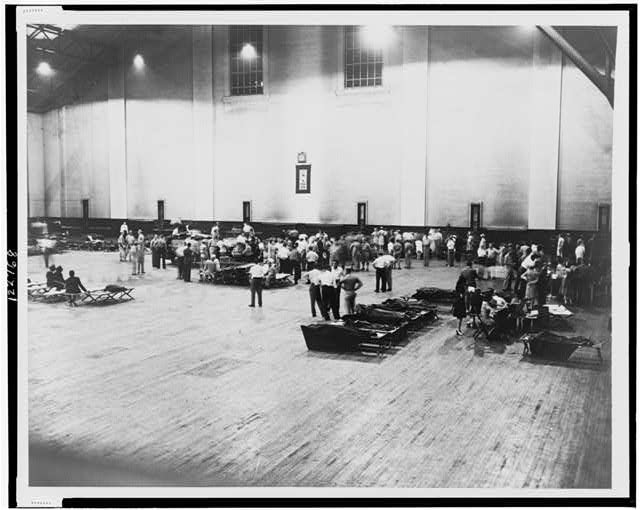
On July 6, 1944, a fire erupted during a performance of the Ringling Bros. and Barnum & Bailey Circus in Hartford, Connecticut, killing 168 people and injuring over 700. The tragedy was exacerbated by the tent's waterproofing treatment, which involved a mixture of paraffin wax and gasoline. This combination not only kept the tent dry but also turned it into a highly flammable structure, transforming a rainy day into a deadly inferno [1].
The Hartford circus tent was originally designed to withstand the elements, ensuring that audiences could enjoy the show regardless of the weather. However, the waterproofing method used was a double-edged sword. While it prevented rain from soaking the fabric, it also created a highly combustible environment. When the fire started, possibly from a discarded cigarette or a spark from a nearby generator, the paraffin and gasoline quickly ignited, allowing flames to spread rapidly across the tent. Eyewitness accounts described how the fire engulfed the structure in mere minutes, leaving little time for the audience to escape [2].
This incident highlighted the dangers of using flammable materials in public spaces, particularly in large tents where crowds gathered. The Hartford circus fire led to significant changes in safety regulations for circus performances and large public events. In the aftermath, fire safety codes were revised to prohibit the use of such hazardous waterproofing methods. The tragedy served as a wake-up call for the circus industry, prompting a reevaluation of safety practices that had been largely overlooked in the pursuit of spectacle and entertainment [3].
Interestingly, the Hartford circus fire is not just a story of loss; it also reflects the broader context of World War II America. During this time, many materials were in short supply, and the circus industry, like others, was adapting to wartime restrictions. The use of gasoline in the waterproofing process may have been a cost-saving measure, but it ultimately proved catastrophic. The fire remains one of the deadliest disasters in U.S. history, serving as a grim reminder of the intersection between innovation and safety [1].
The Hartford circus fire remains a pivotal moment in American history, illustrating how a seemingly innocuous decision regarding tent waterproofing can lead to devastating consequences.