
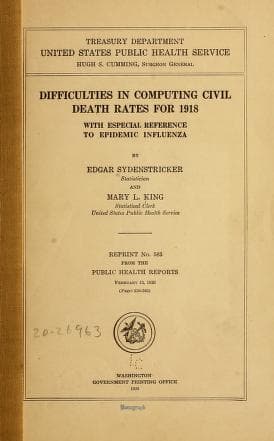
The 1918 Flu Pandemic in America: A Deadly Companion to World War I
In the spring of 1918, a deadly virus began to spread across the globe, eventually claiming the lives of millions. The 1918 flu pandemic, often referred to as the Spanish flu, struck the United States with particular ferocity, killing more American troops than combat in World War I itself. As soldiers crowded into training camps and cities held liberty-loan parades to support the war effort, the virus thrived in the chaos, filling morgues and hospitals to capacity. The government’s wartime censorship muted the headlines, obscuring the true scale of the disaster that was unfolding.
The pandemic's impact was not just a health crisis; it was a societal upheaval that revealed the vulnerabilities of the American public health system. The flu spread rapidly, taking advantage of the crowded conditions created by the war. The combination of troop movements, public gatherings, and a lack of preparedness led to a catastrophe that would leave a lasting mark on the nation.
Camp Funston: Ground Zero for the 1918 Flu
Camp Funston, located in Fort Riley, Kansas, is often cited as the starting point of the 1918 flu pandemic in the United States. In March 1918, soldiers stationed at the camp began to exhibit symptoms of a severe respiratory illness. Within weeks, the flu spread rapidly among the troops, infecting thousands. The camp's crowded conditions, combined with the movement of soldiers to and from the base, created a perfect environment for the virus to flourish. By the end of April, reports indicated that nearly half of the camp's soldiers were ill, and the medical facilities were overwhelmed with patients [1][3].
The origins of the virus remain a topic of debate among historians and epidemiologists. Some argue that the virus may have originated in the United States, while others suggest it came from Europe, brought back by soldiers returning from the front lines. Regardless of its origins, the rapid spread of the virus at Camp Funston set the stage for a nationwide outbreak. The camp's proximity to major railroads facilitated the movement of infected soldiers across the country, leading to outbreaks in cities like Philadelphia and New York [2][4].
As soldiers traveled from Camp Funston to various training camps and overseas, they unwittingly carried the virus with them. This movement contributed to the rapid spread of the flu across the nation. By the summer of 1918, cities across the United States were reporting cases, and the public health infrastructure was ill-equipped to handle the impending crisis.
The Philadelphia Parade: A Catastrophic Decision
One of the most infamous events during the 1918 flu pandemic occurred in Philadelphia on September 28, 1918. The city held a massive parade to promote the sale of war bonds, with an estimated 200,000 people in attendance. Despite warnings from health officials about the flu's spread, city leaders insisted on proceeding with the event to boost morale and support for the war effort. The parade was a spectacle, featuring marching bands and military units, but it would soon become a grim turning point in the pandemic [2][5].
Within days of the parade, hospitals in Philadelphia were inundated with flu patients. The city recorded over 4,500 deaths in just the first week of October. The health care system collapsed under the pressure, and makeshift morgues were set up to handle the overwhelming number of fatalities. By the end of the outbreak, Philadelphia would suffer one of the highest mortality rates in the country, with an estimated 16,000 deaths attributed to the flu [1][4].
The decision to hold the parade, despite the clear risks, exemplified the tension between public health and wartime propaganda. Officials prioritized the war effort over the health of the citizens, a choice that would have devastating consequences. The Philadelphia parade serves as a stark reminder of the dangers of ignoring public health warnings, especially during a crisis.
In the aftermath of the parade, the city faced severe repercussions. Hospitals were overwhelmed, and the death toll continued to rise. The public's outrage grew as they realized the extent of the disaster that had unfolded. The failure to heed health warnings not only cost lives but also eroded trust in public officials, a sentiment that would linger long after the pandemic subsided.
The Second Wave: Why It Was Deadlier
The 1918 flu pandemic is often characterized by its two distinct waves. The first wave, which occurred in the spring of 1918, was relatively mild compared to the second wave that emerged in the fall. The initial wave primarily affected younger adults and children, but it did not result in a high mortality rate. However, as the virus mutated, the second wave proved to be far more lethal, particularly among healthy young adults, a demographic typically less vulnerable to influenza [2][3].
By the fall of 1918, the virus had evolved into a more virulent strain. The second wave was marked by a rapid onset of severe symptoms, including pneumonia, which led to a high mortality rate. Medical professionals were unprepared for the sudden increase in cases, and the lack of effective treatments exacerbated the crisis. The combination of crowded military camps, troop movements, and public gatherings created a perfect storm for the virus to spread [1][5].
In many cities, the response to the second wave was hampered by a lack of resources. Hospitals were overwhelmed, and there was a shortage of medical personnel. In some areas, local governments imposed strict quarantine measures and closed public spaces, but these efforts often came too late. The death toll from the second wave was staggering, with estimates suggesting that it claimed the lives of over 500,000 Americans [3][4].
The second wave's impact was felt across the nation. Cities like Chicago, New York, and San Francisco experienced severe outbreaks, leading to widespread panic and fear. The flu's rapid spread forced local governments to take drastic measures, including closing schools, theaters, and other public venues. These actions, while necessary, further disrupted daily life and contributed to the sense of chaos and uncertainty that permeated the country.
Censorship and the Media: The Silent Epidemic
As the flu pandemic raged on, the U.S. government imposed strict censorship on the media. Wartime propaganda prioritized the portrayal of a strong, united front against the enemy, and reports of the flu's devastation were often downplayed or omitted entirely. Newspapers that might have reported on the severity of the outbreak were discouraged from doing so, as officials feared that negative news would undermine morale during the war [2][5].
This censorship contributed to a widespread lack of awareness about the pandemic's true scale. Many Americans were unaware of the severity of the flu until it directly impacted their communities. The government’s focus on the war effort overshadowed the public health crisis, leading to a delayed response and inadequate preparations for the second wave of the virus [1][4].
The media's role in shaping public perception during the pandemic highlights the importance of transparent communication in times of crisis. The failure to inform the public about the flu's dangers not only hindered individual preparedness but also contributed to the rapid spread of the virus. As the pandemic progressed, some newspapers began to defy censorship, reporting on the rising death toll and the overwhelmed healthcare system. However, these reports often came too late to make a significant difference in public awareness or response.
The lack of accurate information created an environment of confusion and fear. Many people turned to alternative sources for information, including rumors and anecdotal accounts, which further complicated the public's understanding of the situation. This underscores the critical need for reliable communication during health crises, a lesson that remains relevant today.
The Aftermath: Lessons Learned from the 1918 Flu Pandemic
The 1918 flu pandemic ultimately claimed the lives of an estimated 675,000 Americans, making it one of the deadliest events in U.S. history. The staggering death toll and the impact on public health systems prompted significant changes in how the country prepared for and responded to future pandemics. The lessons learned from the 1918 flu pandemic continue to resonate today, particularly in light of recent global health crises [1][3].
In the years following the pandemic, public health officials began to advocate for better surveillance and reporting of infectious diseases. The establishment of the Centers for Disease Control and Prevention (CDC) in 1946 was a direct response to the need for a coordinated national effort to combat infectious diseases. The CDC has since played a crucial role in monitoring and responding to outbreaks, including the H1N1 pandemic in 2009 and the COVID-19 pandemic that began in 2019 [2][5].
Additionally, the 1918 flu pandemic highlighted the importance of public health education. The need for clear communication about hygiene practices, vaccination, and disease prevention became evident. Public health campaigns aimed at educating citizens about the importance of vaccination and disease prevention have become standard practice in the years since [3][4].
The pandemic also led to advancements in medical research and public health policy. The urgency of the crisis spurred innovations in vaccine development and the establishment of protocols for managing infectious disease outbreaks. The lessons learned from the 1918 flu pandemic laid the groundwork for future public health initiatives, emphasizing the need for preparedness and rapid response to emerging health threats.
The Legacy of the 1918 Flu Pandemic
The legacy of the 1918 flu pandemic is complex. While it exposed significant weaknesses in the public health infrastructure, it also led to advancements in medical science and public health policy. The pandemic underscored the interconnectedness of global health and the need for coordinated responses to infectious disease outbreaks.
Today, the 1918 flu pandemic serves as a historical reference point for understanding the impact of pandemics on society. The lessons learned from this crisis continue to inform public health strategies and responses to emerging infectious diseases. As the world faces new health challenges, the experiences of 1918 remind us of the importance of preparedness, transparency, and community resilience in the face of adversity [1][2][5].
The pandemic's legacy is also reflected in the ongoing efforts to improve global health systems. The experiences of 1918 have influenced international collaborations aimed at preventing and responding to pandemics. Organizations such as the World Health Organization (WHO) have drawn on the lessons from the past to develop guidelines and strategies for managing health crises.
In conclusion, the 1918 flu pandemic was not just a moment in history; it was a pivotal event that reshaped public health in the United States and around the world. The impact of the pandemic continues to be felt today, serving as a reminder of the importance of vigilance, preparedness, and the need for a robust public health infrastructure to protect against future threats.