
The St. Valentine’s Day Massacre: A Turning Point in Chicago's Gangland
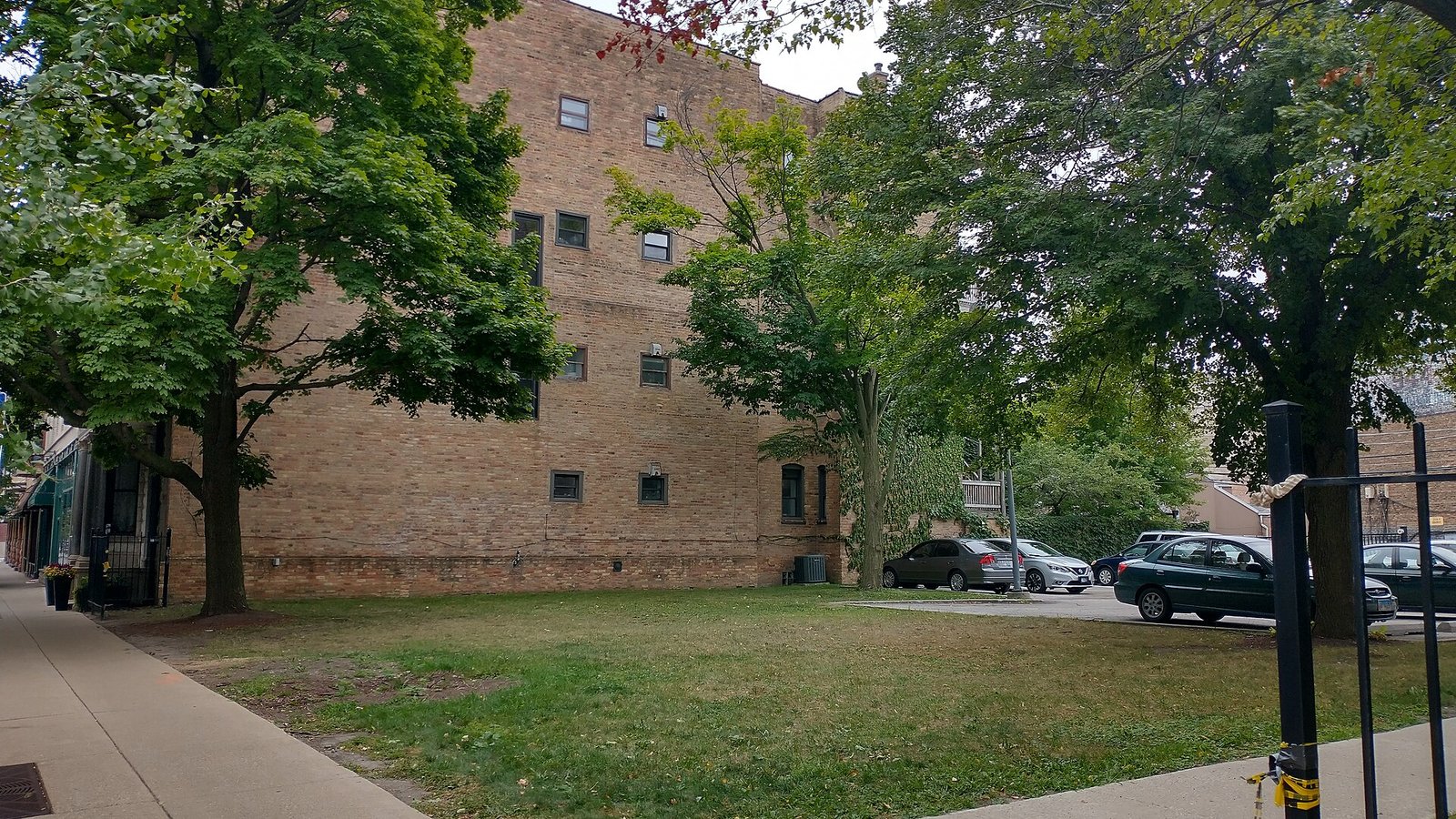
On February 14, 1929, a brutal crime unfolded in a garage at 2122 North Clark Street, Chicago. Seven men were lined up against the wall and executed in a hail of gunfire. This shocking event, known as the St. Valentine’s Day Massacre, became a defining moment in the violent era of Prohibition, marking a peak in the gang wars that plagued the city during the late 1920s [1]. The massacre not only highlighted the ruthless tactics of organized crime but also raised questions about law enforcement's ability to combat such violence.
The St. Valentine’s Day Massacre was not an isolated incident but rather the culmination of escalating gang warfare in Chicago. The city was rife with organized crime, fueled by the illegal liquor trade that flourished during Prohibition [2]. As rival gangs fought for control over lucrative territories, violence became increasingly common. The massacre underscored the extent to which organized crime had infiltrated Chicago, leading to a public outcry and a demand for action from law enforcement and government officials alike.
The Victims of the Massacre
The seven men killed in the St. Valentine’s Day Massacre were all associated with the North Side Gang, led by George "Bugs" Moran. The victims included Moran's right-hand man, John May, and several other gang members: Adam Heyer, Albert Kachellek, and Frank and Peter Gusenberg. The most notable among them was James Clark, a former member of the gang who had recently rejoined Moran's ranks. The execution-style killings were carried out by four men, two of whom were dressed as police officers, which added a layer of betrayal to the already shocking event [5].
The choice of location—a garage—was significant. It was a place where gang members often conducted business, making it an ideal setting for a targeted hit. The victims were caught off guard, lined up against the wall, and shot with a Thompson submachine gun, a weapon favored by gangsters at the time [3]. The brutality of the killings sent shockwaves through Chicago and beyond, as the public grappled with the implications of such unchecked violence. The sheer audacity of the attack, especially in a public space, raised fears about the safety of citizens and the power of organized crime in the city.
The aftermath of the massacre saw a significant increase in media coverage, with newspapers across the country reporting on the event. The graphic nature of the killings captivated the public's attention, and the story became a sensationalized topic in the press. This media frenzy contributed to the growing perception of Chicago as a city overrun by crime, further complicating the relationship between law enforcement and the public [4].
Al Capone: The Prime Suspect
In the aftermath of the massacre, suspicion quickly fell on Al Capone, the infamous mob boss who ruled Chicago's underworld during the Prohibition era. Although Capone was in Florida at the time of the killings, many believed he orchestrated the attack as a means to eliminate his rival, Bugs Moran [2]. The North Side Gang had been a thorn in Capone's side, competing for control over the lucrative illegal liquor trade. The rivalry between the South Side Italian gang, led by Capone, and the North Side Gang was well-documented, with both sides engaging in violent confrontations over territory and profits.
Capone's reputation for ruthlessness made him a prime suspect in the eyes of law enforcement and the public alike. His involvement in organized crime was notorious, and many believed he would stop at nothing to eliminate his competition. The St. Valentine’s Day Massacre was seen as a culmination of this ongoing conflict, a brutal message to anyone who dared to challenge Capone's authority. The event not only solidified Capone's status as a feared figure in Chicago but also marked a turning point in the public's perception of organized crime [5].
Despite the overwhelming suspicion surrounding Capone, he managed to evade direct blame for the massacre. His ability to maintain a façade of legitimacy, combined with his connections to corrupt officials, allowed him to operate with relative impunity. This further fueled public outrage and frustration, as citizens felt powerless against the violence that plagued their city.
The Police Response and Investigation
The Chicago Police Department's response to the massacre was swift but ultimately ineffective. Upon discovering the scene, officers were shocked by the sheer brutality of the crime. They found the bodies of the seven men, some still clutching their weapons, and immediately began an investigation. However, the police faced significant challenges in gathering evidence and testimonies.
Witnesses were scarce, and those who did come forward were often too frightened to provide substantial information. The gangland code of silence, known as "omertà," made it nearly impossible for law enforcement to penetrate the criminal underworld [4]. As a result, the investigation quickly stalled. The police collected bullet casings and other forensic evidence, but without witnesses willing to testify, they struggled to build a case against any suspects. The lack of cooperation from the community further complicated the investigation, as fear of retribution kept many from speaking out.
Despite the lack of concrete evidence, the police pursued various leads. They questioned known associates of both Capone and Moran, hoping to uncover information that would point to the masterminds behind the massacre. However, the investigation was hampered by corruption within the police force itself, as some officers were known to have ties to organized crime [2]. This further complicated the pursuit of justice for the victims of the massacre. The public's frustration grew as the investigation dragged on without any significant progress, leading to calls for accountability and reform within the police department.
The media played a crucial role in shaping public perception of the police response. As details of the investigation emerged, many began to question the effectiveness of law enforcement in combating organized crime. The St. Valentine’s Day Massacre became a symbol of the rampant violence that characterized Chicago's gangland, and it underscored the need for reform within law enforcement. The public demanded answers, and the pressure on the police to solve the case intensified.
The Evidence That Never Stuck
As the investigation unfolded, several pieces of evidence emerged, but none were strong enough to lead to a conviction. One of the most notable pieces of evidence was a witness who claimed to have seen the shooters fleeing the scene. However, this testimony was inconsistent and ultimately deemed unreliable. Additionally, the police found a car abandoned near the garage, which they believed was used by the shooters. While it contained fingerprints, they did not match any known criminals, leaving investigators with little to go on [3].
Another lead involved a man named Frank "The Enforcer" Nitti, a close associate of Capone. Nitti was known for his violent methods and had been implicated in various crimes. However, the evidence linking him to the massacre was circumstantial at best. The lack of direct evidence tying Capone or any of his associates to the crime meant that the case would remain unsolved for years. The inability to secure convictions in the aftermath of the St. Valentine’s Day Massacre highlighted the challenges law enforcement faced in combating organized crime during the Prohibition era [2].
The investigation's shortcomings were emblematic of the broader issues plaguing law enforcement at the time. Corruption, fear, and a lack of resources hindered the ability of police to effectively combat organized crime. The public's frustration grew as the investigation dragged on without any significant progress. The massacre became a symbol of the rampant violence that characterized Chicago's gangland, and it underscored the need for reform within law enforcement.
The Aftermath: Impact on Organized Crime and Law Enforcement
The St. Valentine’s Day Massacre had far-reaching consequences for both organized crime and law enforcement in Chicago. In the immediate aftermath, the public outcry was significant. Citizens were horrified by the brutality of the killings, and many began to question the effectiveness of the police in maintaining order. The massacre prompted a renewed push for law enforcement reform and increased scrutiny of organized crime [2].
In the following months, the federal government took notice of the escalating violence in Chicago. The FBI, under the leadership of J. Edgar Hoover, began to focus more attention on organized crime, recognizing it as a national issue rather than just a local problem [2]. This shift in focus would eventually lead to more aggressive tactics in combating the mob, including wiretaps and surveillance operations. The increased federal involvement marked a turning point in the fight against organized crime, as law enforcement agencies began to collaborate more closely in their efforts to dismantle criminal enterprises.
For Capone, the massacre marked a turning point. While he managed to evade direct blame for the killings, the increased scrutiny from law enforcement made it more difficult for him to operate. The public's perception of Capone began to shift from that of a Robin Hood figure to a ruthless criminal. This change in public sentiment would ultimately contribute to his downfall in the early 1930s, as law enforcement intensified their efforts to bring him to justice. The St. Valentine’s Day Massacre served as a catalyst for change, prompting both law enforcement and the public to confront the realities of organized crime in America [5].
The legacy of the massacre extended beyond Chicago, influencing national conversations about crime and law enforcement. The event highlighted the need for a more coordinated approach to tackling organized crime, leading to the eventual establishment of specialized task forces and federal initiatives aimed at dismantling mob operations. The lessons learned from the St. Valentine’s Day Massacre would shape law enforcement strategies for decades to come.
The Legacy of the St. Valentine’s Day Massacre
The St. Valentine’s Day Massacre remains one of the most infamous events in American criminal history. It not only exemplified the violence of the Prohibition era but also served as a catalyst for change in law enforcement practices. The massacre highlighted the need for a more coordinated approach to tackling organized crime, leading to the eventual establishment of specialized task forces and federal initiatives aimed at dismantling mob operations [5].
In popular culture, the massacre has been immortalized in films, books, and documentaries, further cementing its place in American history. The image of the seven men lined up against the wall, gunned down in cold blood, serves as a haunting reminder of the violent struggle for power that characterized the era. The event continues to be studied by historians and criminologists, who seek to understand the dynamics of organized crime and its impact on society [1].
As the years passed, the St. Valentine’s Day Massacre became a symbol of the broader issues surrounding Prohibition, including corruption, violence, and the challenges of enforcing laws that many citizens openly defied. The legacy of this tragic event continues to resonate today, as it serves as a cautionary tale about the consequences of unchecked criminal activity and the complexities of law enforcement in a rapidly changing society. The massacre also prompted discussions about the effectiveness of Prohibition itself, leading to debates about the morality and practicality of such sweeping legislation [2].
The event's impact on Chicago's cultural landscape cannot be overstated. It influenced the way crime was portrayed in literature and film, shaping public perceptions of gangsters and organized crime. The St. Valentine’s Day Massacre became a touchstone for understanding the violent realities of the Prohibition era, and its legacy continues to inform discussions about crime and justice in America [4].
A Crime That Defined an Era
The St. Valentine’s Day Massacre was not just a crime; it was a pivotal moment that defined an era of violence and corruption in Chicago. The brutal execution of seven men in a garage on that fateful day in 1929 exposed the depths of gang rivalry and the challenges faced by law enforcement in combating organized crime. While the perpetrators were never brought to justice, the massacre served as a wake-up call for both the public and law enforcement, highlighting the urgent need for reform and a more effective approach to tackling the rampant violence of the Prohibition era.
As we reflect on the events of that day, we are reminded of the complexities of crime and justice in America. The St. Valentine’s Day Massacre remains a significant chapter in the history of organized crime, a stark reminder of the lengths to which individuals will go in the pursuit of power and control. The legacy of this event continues to shape our understanding of crime, law enforcement, and the societal implications of organized criminal activity.
The massacre serves as a lens through which we can examine the broader issues of governance, law enforcement, and public safety. It challenges us to consider the effectiveness of our legal systems and the societal structures that allow organized crime to flourish. The St. Valentine’s Day Massacre is not merely a historical event; it is a cautionary tale that resonates with contemporary discussions about crime, justice, and the ongoing struggle to maintain order in a complex society.