
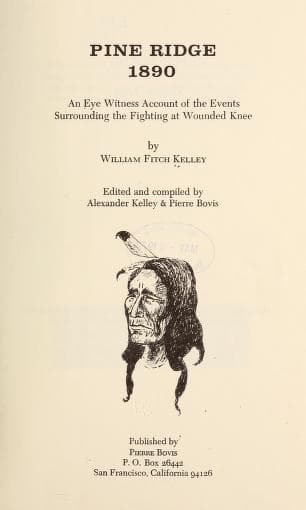
The Wounded Knee Massacre of 1890: A Tragic Confrontation at Pine Ridge
On December 29, 1890, a confrontation at Wounded Knee Creek on the Pine Ridge Reservation in South Dakota escalated into one of the deadliest events in U.S. history involving Native Americans. The U.S. Army's 7th Cavalry, tasked with disarming the Lakota Sioux, opened fire on a group of Native Americans, resulting in the deaths of approximately 300 men, women, and children [1]. This tragic incident, known as the Wounded Knee Massacre, marked a significant and sorrowful chapter in the history of U.S.-Native American relations. The massacre is often seen as the culmination of decades of conflict, oppression, and cultural erasure faced by Indigenous peoples.
The massacre was not an isolated event but rather the culmination of years of tension and conflict between the U.S. government and Native American tribes. The backdrop of the massacre included the rise of the Ghost Dance movement, the killing of the influential Lakota leader Sitting Bull, and the broader context of U.S. policies aimed at suppressing Native American culture and autonomy [2]. The events leading up to the massacre reveal a complex interplay of fear, misunderstanding, and violence that characterized U.S.-Native American relations during this period.
The Ghost Dance Movement: A Spiritual Response to Oppression
In the late 19th century, many Native American tribes faced increasing pressure from U.S. government policies that sought to assimilate them into Euro-American culture. The Ghost Dance movement emerged as a spiritual response to this oppression. Founded by the Paiute prophet Wovoka in the 1880s, the Ghost Dance promised a return to a time before European contact, where Native Americans would live in peace and abundance [3]. It emphasized a vision of unity among tribes and a restoration of their lands and way of life. The movement resonated deeply with the Lakota Sioux, who were grappling with the loss of their traditional ways and the encroachment of settlers on their lands.
The Ghost Dance ceremonies involved singing, dancing, and the wearing of special garments, believed to protect participants from harm. These gatherings provided a sense of hope and community among the Lakota, who were facing dire circumstances. However, the U.S. government viewed the movement with suspicion, interpreting it as a potential uprising against their authority. This fear was exacerbated by the recent events surrounding Sitting Bull, a prominent Lakota leader who had become a symbol of resistance against U.S. policies.
The Killing of Sitting Bull: A Catalyst for Conflict
Sitting Bull, revered as a chief and spiritual leader, had been a vocal opponent of U.S. policies toward Native Americans. His influence among the Lakota was profound, and he had played a significant role in resisting the U.S. government's attempts to subjugate Native tribes. In December 1890, as tensions rose, the U.S. government sought to arrest him, fearing that his influence could incite violence among the Lakota. On December 15, 1890, police attempted to apprehend Sitting Bull at his home on the Standing Rock Reservation. In the ensuing confrontation, he was shot and killed [4].
The death of Sitting Bull sent shockwaves through the Lakota community and intensified the urgency of the Ghost Dance movement. Many Lakota believed that his death was a sign of impending doom, prompting them to gather at Pine Ridge Reservation under the leadership of Chief Big Foot. They sought refuge and protection from the U.S. Army, who were increasingly mobilizing to suppress the Ghost Dance and disarm the tribes. The loss of Sitting Bull not only deepened the grief of the Lakota but also heightened their sense of vulnerability in the face of U.S. military might.
The Gathering at Pine Ridge: Prelude to Massacre
In late December 1890, Chief Big Foot and his followers, numbering around 350, fled to the Pine Ridge Reservation. They were seeking safety from the U.S. Army, which had been dispatched to quell the Ghost Dance movement. The U.S. government, fearing a large-scale uprising, ordered the 7th Cavalry to disarm the Lakota and prevent any potential rebellion. The atmosphere was charged with fear and uncertainty, as both sides braced for confrontation [5].
On December 28, the army intercepted Big Foot's group near Wounded Knee Creek. The following day, the soldiers surrounded the encampment, demanding the surrender of weapons. The situation quickly deteriorated as tensions escalated. The Lakota, already traumatized by the loss of Sitting Bull, were understandably apprehensive about disarming. They had witnessed the violent response of the U.S. government to their cultural practices and were fearful for their safety. The soldiers, on the other hand, were under orders to enforce compliance, and the stage was set for tragedy.
The Massacre: A Day of Horror
On the morning of December 29, 1890, the disarmament process began. As soldiers attempted to confiscate weapons, a scuffle broke out. In the chaos, a shot was fired—though it remains unclear who fired first. This single shot ignited a barrage of gunfire from the soldiers, who unleashed their weapons on the unarmed Lakota. The massacre lasted for several hours, with soldiers firing indiscriminately into the crowd.
Estimates of the death toll vary, but it is believed that around 300 Lakota were killed, including many women and children [1]. The soldiers, equipped with rifles and artillery, faced little resistance from the largely unarmed group. The aftermath of the massacre left the ground littered with bodies, and many survivors fled into the surrounding hills, traumatized and grieving. The brutality of the event shocked even some soldiers, who later expressed remorse for their actions. The massacre not only decimated a community but also marked a turning point in the relationship between Native Americans and the U.S. government.
The Aftermath: A Nation in Shock
The Wounded Knee Massacre shocked the nation. While some Americans expressed outrage at the brutality of the U.S. Army, others viewed it as a necessary action to maintain order. The event marked the end of the Indian Wars and symbolized the tragic culmination of U.S. policies aimed at eradicating Native American culture. The massacre was not just a military engagement; it was a profound human tragedy that underscored the violent lengths to which the U.S. government would go to assert control over Indigenous peoples [2].
In the wake of the massacre, the U.S. government sought to downplay the incident. A Senate investigation was conducted, but it failed to hold anyone accountable for the killings. Instead, the army received praise for their actions, and the narrative surrounding Wounded Knee was often framed as a heroic effort to restore peace. This distortion of the truth contributed to a broader historical narrative that marginalized Native American experiences and perspectives.
Medal of Honor Controversies: Recognizing the Soldiers
In the years following the massacre, the U.S. government awarded numerous soldiers involved in the Wounded Knee Massacre the Medal of Honor, the military's highest award for valor. This decision has been a source of controversy and debate. Many argue that awarding medals for actions taken during a massacre of unarmed civilians is a gross misrepresentation of valor and heroism. The recognition of these soldiers has sparked discussions about how history remembers such events [5].
For many Native Americans, the awarding of the Medal of Honor to those involved in Wounded Knee is a painful reminder of the injustices they faced. It raises questions about how the U.S. government chooses to honor its military history and the narratives that are perpetuated in the name of patriotism. The legacy of the Wounded Knee Massacre is complicated by the fact that those who perpetrated the violence were celebrated, while the victims were largely forgotten or misrepresented in historical accounts.
Remembering Wounded Knee: A Legacy of Pain and Resilience
The legacy of the Wounded Knee Massacre continues to resonate today. For many Native Americans, it serves as a symbol of the ongoing struggles against oppression and the fight for sovereignty. The massacre is commemorated annually, with gatherings and ceremonies held to honor the lives lost and to reflect on the historical injustices faced by Native peoples. These events provide an opportunity for healing and remembrance, allowing communities to come together in solidarity [4].
In recent years, efforts have been made to educate the public about the true history of Wounded Knee and its significance in the broader context of U.S.-Native American relations. Museums, documentaries, and educational programs have sought to shed light on the events of December 29, 1890, and to promote understanding and healing. The narrative surrounding Wounded Knee is being reshaped to include Indigenous voices and perspectives, challenging the dominant historical accounts that have long overlooked the experiences of Native peoples.
The site of the massacre has been designated as a National Historic Landmark, and the Wounded Knee Massacre site is preserved as a place of remembrance. The National Park Service has worked to provide resources and information about the events that transpired, ensuring that the history of Wounded Knee is not forgotten [1]. This preservation effort is crucial for fostering awareness and understanding of the complex history between the U.S. government and Native American tribes.
The Ongoing Impact of Wounded Knee on Native American Identity
The Wounded Knee Massacre has had a lasting impact on Native American identity and activism. It serves as a reminder of the resilience of Indigenous peoples in the face of systemic oppression. The Ghost Dance movement, once seen as a threat, has been reinterpreted by some as a symbol of hope and renewal. The events at Wounded Knee are often invoked in contemporary discussions about Native American rights, sovereignty, and cultural preservation [3].
Activists continue to draw parallels between the historical injustices faced by Native Americans and the ongoing challenges they encounter today, including issues related to land rights, cultural preservation, and social justice. The legacy of Wounded Knee is not just a historical event; it is a living part of the ongoing struggle for Indigenous rights and recognition. The massacre has become a rallying point for movements advocating for the rights of Native peoples, emphasizing the need for justice and reparative measures.
A Call for Reflection and Understanding
The Wounded Knee Massacre of 1890 stands as a stark reminder of the violent history between the U.S. government and Native American tribes. It highlights the need for ongoing reflection and dialogue about the legacy of colonialism and the importance of recognizing the rights and dignity of Indigenous peoples. As we remember the events of that fateful day, it is essential to honor the lives lost and to strive for a future where justice and understanding prevail.
The story of Wounded Knee is not just a tale of tragedy; it is also one of resilience and hope. The ongoing efforts to commemorate and educate about this event reflect a broader movement toward acknowledging the complexities of U.S. history and the experiences of Native Americans. By fostering understanding and empathy, society can work towards healing the wounds of the past and building a more equitable future for all.