
On May 4, 1970, at Kent State University in Ohio, a peaceful protest against the Vietnam War turned tragic when members of the Ohio National Guard opened fire on students. Four students were killed, and nine others were wounded [1]. The shocking event became known as the Kent State shooting, igniting a nationwide wave of protests and discussions about the Vietnam War, government authority, and civil rights. A photograph of a screaming teenager, captured in the aftermath, became emblematic of the era's turmoil and dissent.
Background: The Vietnam War and Campus Protests
By 1970, the United States was deeply entrenched in the Vietnam War, a conflict that had sparked widespread protests across the country [4]. Many Americans, particularly college students, opposed the war, viewing it as an unjust and unnecessary conflict. The anti-war movement gained momentum throughout the 1960s, with protests escalating as the death toll of American soldiers rose and the draft continued to affect young men across the nation. The war's unpopularity was fueled by graphic media coverage, which brought the brutal realities of combat into American living rooms, further galvanizing public dissent.
Kent State University, a public university in northeastern Ohio, became a focal point for anti-war activism. Students organized rallies, sit-ins, and teach-ins to express their dissent. The campus atmosphere was charged with political fervor, and tensions were high as the National Guard was called in to maintain order during protests. The university's student body was particularly active, with many students participating in national movements and local initiatives aimed at opposing the war and advocating for civil rights.
The Events Leading Up to the Shooting
In the days leading up to May 4, 1970, protests at Kent State intensified. On April 30, President Richard Nixon announced the invasion of Cambodia, which further inflamed anti-war sentiments [2]. This announcement was met with outrage on college campuses across the nation, including Kent State, where students felt compelled to take action. In response, students organized a protest scheduled for May 4, which was intended to be peaceful. However, the situation escalated when the National Guard was called to the campus to control the growing unrest.
On May 1, 1970, a protest on the campus turned violent, resulting in property damage and confrontations between students and the National Guard [3]. The Guard's presence was meant to deter further violence, but it only heightened tensions. On May 2, a rally was held, and students expressed their frustrations over the war and the Guard's presence on campus. The atmosphere was charged, and many students felt a sense of urgency to voice their opposition to the war. The protests were not isolated incidents; they were part of a larger national movement that included demonstrations at other universities, such as the University of California, Berkeley, and Columbia University, where students were similarly mobilizing against the war.
The Fatal Day: May 4, 1970
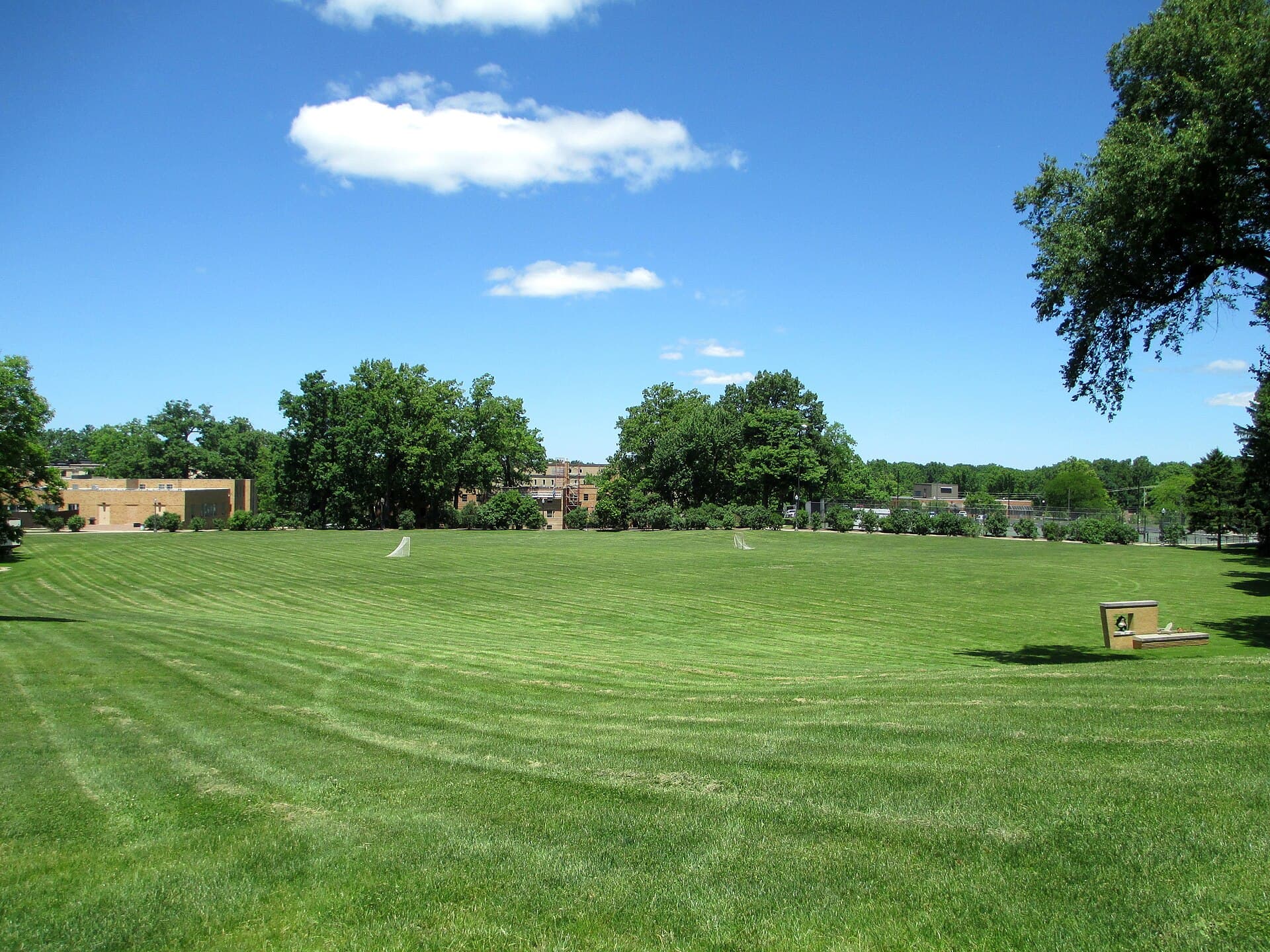
On the morning of May 4, students gathered for a planned protest on the campus. The National Guard, numbering around 28 troops, was stationed on the campus to prevent any potential violence. As the protest began, approximately 2,000 students assembled at the Commons area, chanting slogans and holding signs against the war. The demonstration was largely peaceful, but tensions were palpable. Students expressed their anger and frustration, not just at the war, but also at the military presence on their campus.
At around noon, the Guard attempted to disperse the crowd, declaring the gathering an unlawful assembly. As students began to leave, some remained, shouting at the Guard and expressing their anger. The situation deteriorated when Guardsmen fired tear gas to disperse the crowd. This action only fueled the anger of the students, many of whom began to retaliate by throwing rocks and other objects at the Guardsmen. The escalation of violence was not merely a spontaneous reaction; it was a culmination of weeks of frustration and fear among students who felt their voices were being silenced.
In a moment of chaos, the Guardsmen, feeling threatened, fired their weapons into the crowd. The shots rang out, and within seconds, four students were dead: Jeffrey Miller, Allison Krause, Sandra Scheuer, and William Knox [5]. Nine others were injured, some seriously. The event lasted only a matter of seconds, but it would have lasting repercussions. The immediate aftermath saw students and bystanders in shock, with many unable to comprehend the violence that had just unfolded on their campus.
The Aftermath: National Outrage and Investigations
The Kent State shooting sent shockwaves across the nation. News of the incident spread rapidly, and protests erupted on campuses throughout the United States. Students and activists were outraged, viewing the shooting as a brutal attack on free speech and dissent. The phrase "Four Dead in Ohio" became a rallying cry for the anti-war movement, symbolizing the tragic consequences of government repression. The incident not only galvanized existing protests but also inspired new demonstrations, as students across the country sought to express their outrage and solidarity with the victims.
In the wake of the shooting, several investigations were launched to determine the circumstances surrounding the incident. The President's Commission on Campus Unrest, established by President Nixon, conducted an inquiry into the events at Kent State. The commission's findings concluded that the National Guard's actions were unjustified and that the use of deadly force was unnecessary [1]. The report criticized the Guard's handling of the situation and recommended changes to prevent similar incidents in the future. This investigation was one of the first of its kind, highlighting the need for accountability in law enforcement actions during civil unrest.
Additionally, the Ohio National Guard conducted its own investigation, which also found that the troops had acted improperly. The Guard's report indicated that the soldiers had not received adequate training for crowd control and that their leadership had failed to manage the situation effectively [2]. The findings from both investigations highlighted the need for better training and communication between military and civilian authorities during times of unrest. The lack of preparedness among the Guardsmen raised questions about the appropriateness of deploying military forces to manage civilian protests.
The Legal Ramifications: Court Cases and Settlements
In the aftermath of the shooting, the families of the victims sought justice through legal channels. They filed lawsuits against the state of Ohio and the National Guard, claiming wrongful death and civil rights violations. The legal battles were lengthy and complex, with various court cases unfolding over the years. The families faced significant challenges in their pursuit of justice, as the state and military entities employed various legal defenses to protect themselves from liability.
In 1979, a federal jury awarded $675,000 to the families of the victims, but the case highlighted the challenges of holding government entities accountable for their actions [3]. The state of Ohio ultimately settled with the families for $1.3 million, but the emotional scars of the incident remained. The legal proceedings brought to light the difficulties in navigating the intersection of civil rights and government authority, raising important questions about the limits of state power in suppressing dissent.
The Kent State shooting also prompted discussions about the role of law enforcement and the military in civilian life. Many questioned the appropriateness of deploying the National Guard to control protests, leading to calls for reforms in how authorities handle demonstrations. The incident became a pivotal moment in the ongoing debate about civil liberties, the right to protest, and the responsibilities of law enforcement in a democratic society.
Kent State's Impact on American Politics and Society
The Kent State shooting had a profound impact on American politics and society. It galvanized the anti-war movement, leading to increased protests and activism across the country [4]. The event served as a catalyst for a broader discussion about civil rights, government accountability, and the limits of authority. Public opinion began to shift, with many Americans increasingly questioning the government's justification for the Vietnam War and the methods used to suppress dissent.
In the years following the shooting, public opinion about the Vietnam War continued to shift. Many Americans began to view the conflict with skepticism, and the Kent State incident contributed to a growing anti-war sentiment. The event also influenced future generations of activists, who drew inspiration from the courage of the students who protested against the war. The legacy of Kent State extended beyond the immediate aftermath of the shooting, becoming a symbol of the struggle for free speech and the right to protest.
The image of the screaming teenager, captured in the iconic photograph taken by John Filo, became a powerful representation of the emotional toll of the conflict and the sacrifices made by those who stood up for their beliefs [5]. This photograph, along with others from the day, circulated widely in the media, further amplifying the outrage and sorrow felt by many Americans. The visual impact of the shooting helped to solidify the event's place in the national consciousness.
Commemoration and Remembrance: The May 4 Memorial
In recognition of the tragic events of May 4, Kent State University established the May 4 Memorial to honor the victims and educate future generations about the importance of free speech and the consequences of violence [3]. The memorial serves as a reminder of the sacrifices made by the students and the ongoing struggle for justice and equality. It stands as a testament to the university's commitment to preserving the memory of those who lost their lives and fostering dialogue about the importance of civic engagement.
Each year, the university holds a commemoration on the anniversary of the shooting, drawing students, faculty, and community members together to reflect on the events of that day. The commemoration includes a series of activities, including speakers, discussions, and moments of silence to honor the victims. These events not only pay tribute to those who died but also serve as a platform for ongoing discussions about civil rights, social justice, and the importance of peaceful protest.
The May 4 Memorial and the ongoing educational efforts at Kent State serve as a testament to the enduring impact of the shooting. They remind us of the importance of standing up for one's beliefs and the need for vigilance in protecting civil liberties. The university has also developed educational programs that focus on the lessons learned from Kent State, aiming to inspire future generations to engage in civic discourse and activism.
The Kent State Shooting in Popular Culture
The Kent State shooting has also left an indelible mark on popular culture. The incident inspired numerous songs, films, and works of art that reflect the emotions and struggles of the era. One of the most famous songs, "Ohio" by Neil Young, was written in response to the shooting and became an anthem for the anti-war movement [4]. The song's poignant lyrics captured the grief and anger felt by many, resonating deeply with those who opposed the war.
The event has been depicted in various documentaries and films, further cementing its place in American history. These portrayals serve to educate new generations about the significance of the shooting and the broader context of the Vietnam War. Documentaries such as "Four Dead in Ohio" and films like "Kent State" have explored the events of that day, providing insight into the lives of the victims and the impact of the shooting on American society [5].
In addition to music and film, the Kent State shooting has been referenced in literature and art, highlighting its lasting influence on American culture. The incident has become a symbol of the struggle for civil rights and the importance of free expression, inspiring artists and activists alike to reflect on the lessons learned from that tragic day.
The Enduring Legacy of Kent State
The Kent State shooting of May 4, 1970, remains a pivotal moment in American history. It highlighted the tensions between government authority and the right to protest, underscoring the need for accountability and reform in law enforcement practices. The tragic loss of four students became a rallying point for the anti-war movement and a symbol of the struggle for civil rights.
As we reflect on the events of that day, it is essential to remember the lessons learned and the ongoing fight for justice and equality. The legacy of Kent State continues to resonate, reminding us of the importance of standing up for our beliefs and the power of collective action in the face of injustice. The shooting serves as a cautionary tale about the potential consequences of unchecked authority and the necessity of protecting civil liberties in a democratic society.
The events of May 4 have become a part of the national narrative, influencing discussions about the role of government, the rights of citizens, and the importance of peaceful protest. As new generations grapple with similar issues, the memory of Kent State serves as a powerful reminder of the sacrifices made by those who stood up for their beliefs and the ongoing struggle for social justice.