
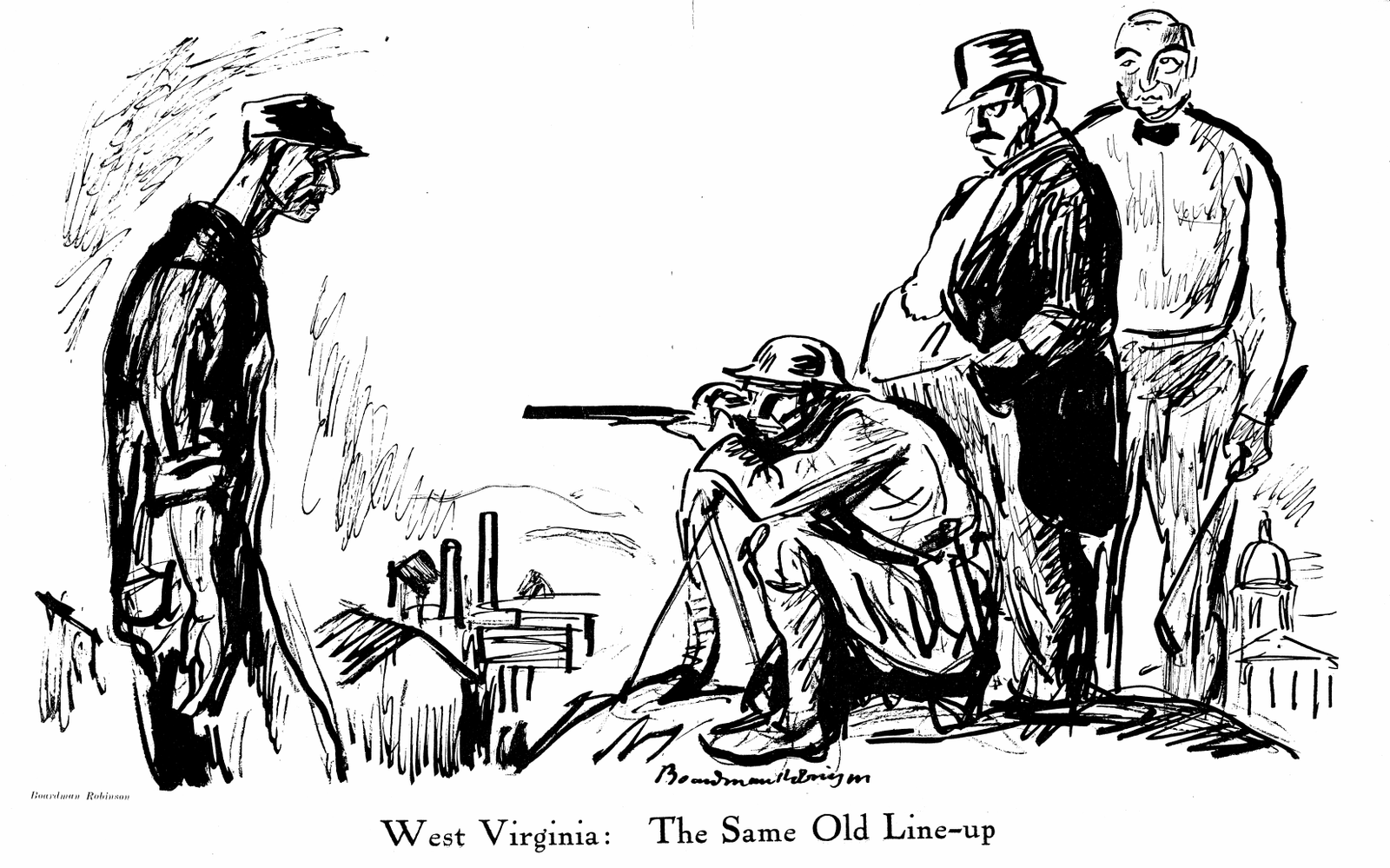
The Battle of Blair Mountain: The Largest Labor Uprising in U.S. History
In late August 1921, thousands of armed miners marched through the hills of West Virginia, igniting the largest labor uprising in American history. This conflict, known as the Battle of Blair Mountain, was the culmination of years of tension between coal miners and the powerful coal companies that dominated the region. The miners, many of whom were members of the United Mine Workers of America (UMWA), sought better working conditions, fair wages, and the right to unionize. However, their demands were met with fierce resistance from both the coal operators and the state government, leading to a violent confrontation that would leave a lasting impact on labor relations in the United States.
The Context of the West Virginia Mine Wars
The Battle of Blair Mountain did not occur in a vacuum. It was part of a broader series of conflicts known as the West Virginia Mine Wars, which spanned several decades. The roots of these conflicts can be traced back to the late 19th century when coal mining became a dominant industry in West Virginia. As coal production surged, so did the exploitation of miners. Many worked in dangerous conditions for meager pay, often living in company-owned towns where their wages were paid in scrip rather than cash, effectively trapping them in a cycle of debt [2][4].
The UMWA, founded in 1890, aimed to organize miners and improve their working conditions. However, the union faced significant opposition from coal operators who employed various tactics to suppress union activity, including intimidation, violence, and even murder. The situation escalated in the early 20th century, particularly after the 1912 Paint Creek-Cabin Creek strike, which saw violent clashes between miners and state police. This strike set the stage for the events that would unfold in 1921, as miners grew increasingly frustrated with their treatment and the lack of progress in securing their rights [1][3].
The Aftermath of the Matewan Massacre
The Matewan Massacre in May 1920 was a pivotal moment in the West Virginia Mine Wars. In this incident, a gunfight erupted between union miners and Baldwin-Felts agents—private detectives hired by coal companies to intimidate miners and break up union activities. The confrontation resulted in the deaths of ten men, including the town's mayor, and further inflamed tensions between miners and coal operators [2][3].
Following the Matewan Massacre, the UMWA intensified its efforts to organize miners in the region. The union's leadership recognized that the miners needed to unite to confront the powerful coal companies. In the wake of Matewan, miners began to arm themselves for protection, leading to a growing sense of militancy among the workforce. This atmosphere of unrest set the stage for the events that would unfold at Blair Mountain, as miners felt increasingly emboldened to fight for their rights [4][5].
The March to Blair Mountain
By the summer of 1921, conditions in the coalfields had become increasingly dire. Miners faced long hours, low wages, and dangerous working conditions. Many were eager to join the UMWA, but the coal operators were determined to maintain control. In August 1921, the UMWA called for a march to Blair Mountain, where miners planned to confront the coal operators and demand their rights [1][2].
On August 24, approximately 10,000 miners began their march from the town of Marmet, West Virginia, toward Blair Mountain. Armed with rifles and shotguns, they were determined to assert their rights and demand recognition of their union. The miners were joined by supporters from various communities, and the march quickly gained momentum. As they advanced, they were met with resistance from local law enforcement and private security forces hired by the coal companies. The miners’ determination was palpable, as they believed that their struggle was not just for themselves, but for future generations of workers [3][4].
The Escalation of Violence
As the miners approached Blair Mountain, the situation escalated. The coal companies, fearing a full-scale uprising, mobilized their own forces. They hired private security agents, including the Baldwin-Felts detectives, and enlisted local law enforcement to protect their interests. The miners, meanwhile, were determined to push forward, believing that their cause was just [1][2].
On August 28, 1921, the confrontation reached a boiling point. Armed miners clashed with the forces of the coal companies, leading to a violent battle that would last for several days. The miners employed guerrilla tactics, using the rugged terrain to their advantage. They were met with machine guns and aerial bombardments from company planes, which dropped explosives on the miners' positions. The violence was unprecedented, with both sides suffering casualties. Estimates of the number of miners involved in the battle range from 10,000 to 15,000, while the coal companies deployed around 3,000 armed men, including local law enforcement [1][2][3].
The battle was marked by fierce fighting, with miners using their knowledge of the terrain to launch surprise attacks against the better-armed company forces. The miners’ resolve was tested as they faced not only gunfire but also the psychological toll of aerial bombardments. The conflict drew in local communities, with many residents offering support to the miners, further intensifying the stakes of the confrontation [1][4].
Federal Intervention and the End of the Battle
As the battle raged on, the situation drew national attention. The federal government, concerned about the potential for widespread unrest, intervened. President Warren G. Harding ordered federal troops to West Virginia to restore order. On September 2, 1921, approximately 2,000 federal troops arrived in the region, effectively ending the battle. The miners, outgunned and outnumbered, were forced to retreat [1][2].
The aftermath of the Battle of Blair Mountain was significant. The federal government arrested many miners, and the UMWA faced increased scrutiny. While the battle did not result in immediate changes to labor conditions, it highlighted the struggles of miners and the need for reform in the coal industry. The events at Blair Mountain would resonate for years to come, influencing labor relations and the fight for workers' rights across the country [2][3].
In the wake of the battle, the UMWA continued to advocate for miners' rights, but the defeat at Blair Mountain served as a sobering reminder of the challenges they faced. The miners' struggle for recognition and fair treatment was far from over, and the battle underscored the lengths to which coal operators would go to maintain control over their workforce [4][5].
The Legacy of the Battle of Blair Mountain
The Battle of Blair Mountain remains a critical moment in American labor history. It underscored the lengths to which miners would go to fight for their rights and the violent opposition they faced from coal operators and the government. The battle also drew attention to the broader issues of labor rights and the need for reforms in the workplace. The miners' determination and sacrifice during the battle inspired future generations of labor activists and highlighted the importance of collective action in the pursuit of justice [1][2].
In the decades following the battle, the UMWA continued to advocate for miners' rights, leading to significant improvements in working conditions and wages. The passage of the National Labor Relations Act in 1935, which protected the rights of workers to organize and bargain collectively, can be seen as a direct response to the struggles exemplified by the events at Blair Mountain. However, the coal industry remained fraught with challenges, including economic downturns and the rise of mechanization, which would ultimately change the landscape of coal mining in the United States [2][4].
The legacy of Blair Mountain is not only about the miners' fight for rights but also about the broader labor movement in America. The battle highlighted the need for solidarity among workers and the importance of organized labor in advocating for change. As labor unions gained strength in the following decades, the events at Blair Mountain served as a rallying point for those seeking to improve conditions for workers across various industries [3][5].
The Fight for Preservation: Blair Mountain Today
In the years following the battle, the site of Blair Mountain became a focal point for labor history and preservation efforts. However, in the late 20th century, the area faced a new threat: strip mining. In the 2000s, plans to mine the battlefield for coal sparked outrage among labor historians, environmentalists, and descendants of the miners who fought there. Activists argued that the site should be preserved as a national historic landmark, recognizing its significance in American labor history [1][3].
In 2009, the National Park Service designated Blair Mountain as a historic site, acknowledging its importance in the struggle for workers' rights. The designation was a significant victory for preservationists, but the battle for the site’s future continued. Activists have worked tirelessly to protect Blair Mountain from mining operations, emphasizing the need to honor the legacy of those who fought there and to educate future generations about the importance of labor rights [2][4].
The ongoing fight for preservation reflects broader issues in American society, including the tension between economic development and historical preservation. As coal mining has declined in recent years, the legacy of the miners at Blair Mountain has taken on new significance, serving as a reminder of the sacrifices made in the name of workers' rights and the ongoing struggle for justice in the workplace [1][3].
The Enduring Impact of the Battle of Blair Mountain
The Battle of Blair Mountain serves as a powerful reminder of the struggles faced by American workers in their fight for rights and dignity. The events of 1921 highlighted the deep-seated tensions between labor and capital, a conflict that continues to resonate in contemporary discussions about workers' rights. As we reflect on this pivotal moment in history, it is essential to recognize the sacrifices made by those who stood up for their rights and the ongoing fight for justice in the workplace [1][2].
The legacy of the Battle of Blair Mountain is not just about the past; it is also about the future. The principles of solidarity, collective action, and the fight for fair treatment remain relevant today as workers across the country continue to advocate for their rights. The battle serves as a reminder that the struggle for workers' rights is ongoing and that the lessons learned from Blair Mountain can inspire future generations to stand up for justice in their workplaces [3][4].
As discussions about labor rights continue to evolve, the story of the miners at Blair Mountain remains a vital part of American history. It is a testament to the resilience of workers and the importance of fighting for dignity and respect in the workplace. The battle may have ended in 1921, but its impact continues to shape the labor movement and the ongoing quest for justice in America [2][5].