
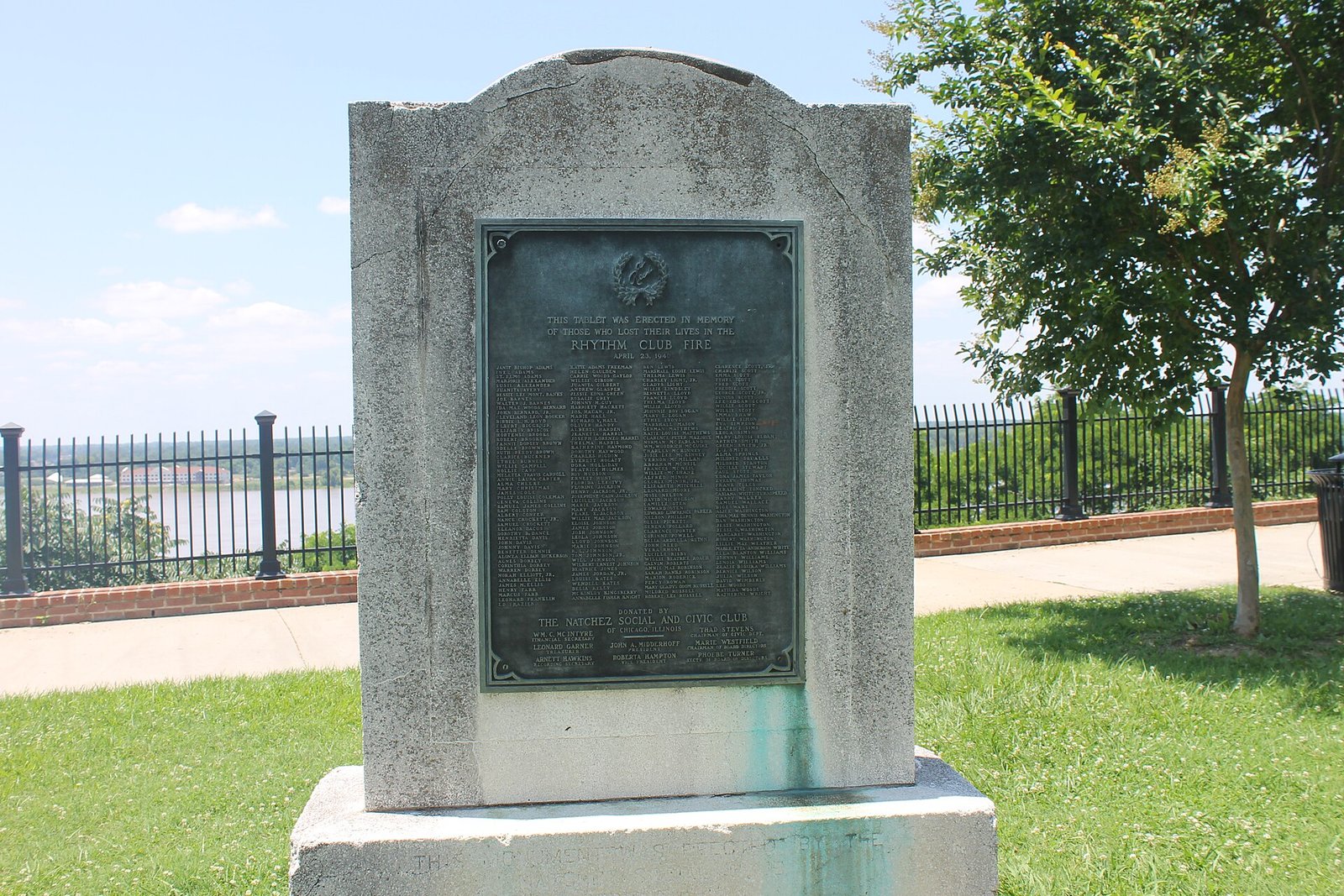
The Tragic Natchez Rhythm Club Fire of 1940
On the night of April 23, 1940, a devastating fire broke out at the Rhythm Club in Natchez, Mississippi, claiming the lives of approximately 200 people. This dance hall, a popular venue for Black patrons during the Jim Crow era, became a deadly trap due to its inadequate safety measures and segregation-era design. The tragedy highlighted the systemic neglect of Black communities and the dire consequences of such oversight, serving as a grim reminder of the racial disparities that permeated American society at the time.
The Setting: A Jim Crow Era Dance Hall
The Rhythm Club was located in a segregated part of Natchez, a city steeped in the racial tensions of the Jim Crow South. The venue was known for its lively atmosphere, featuring jazz and blues music that drew large crowds. On that fateful night, the club was packed with approximately 700 attendees, all eager to dance and enjoy the music. However, the design of the club would soon prove catastrophic.
The building itself was a wooden structure, a common construction type for many establishments catering to Black patrons at the time. The interior was adorned with a stage for live performances, but the exits were poorly designed. The club had only one main entrance and a few small windows, which were barred and locked, creating a deadly situation when the fire broke out. The lack of proper safety measures was not an isolated incident; it reflected a broader pattern of neglect faced by Black-owned businesses in the Jim Crow South, where safety regulations were often overlooked or inadequately enforced [1][4].
How the Fire Started
The fire reportedly began around 11:30 PM, ignited by a faulty electrical system. Witnesses later recounted that a spark from a light fixture set fire to the wooden interior. As flames quickly engulfed the club, panic ensued. The crowded dance floor became a scene of chaos as patrons scrambled for the exits. Unfortunately, the barred windows and limited escape routes turned the venue into a death trap.
The fire spread rapidly, fueled by the wooden structure and the flammable materials within. Eyewitness accounts describe a scene of utter horror as people realized the gravity of the situation. The music that had once filled the air was replaced by screams and cries for help. Many patrons were caught off guard, unable to comprehend the unfolding disaster until it was too late [2][3].
The Failure of Exits and Safety Measures
The design of the Rhythm Club was emblematic of the neglect faced by Black venues during the Jim Crow era. Fire safety regulations were often ignored, and the lack of proper exits contributed significantly to the high death toll. In the aftermath of the fire, investigations revealed that the club had not adhered to basic safety codes.
The single entrance was insufficient for the number of patrons present. As people rushed toward the exit, the narrow doorway quickly became congested. Many were trapped inside, unable to escape the flames and smoke. The barred windows, intended to prevent unauthorized entry, instead sealed the fate of those inside. Eyewitnesses reported that some patrons attempted to break the windows to escape but were unsuccessful due to the bars. The tragedy underscored the critical need for comprehensive fire safety regulations that protect all citizens, regardless of race or socioeconomic status [3][4].
The Death Toll and Its Impact
The aftermath of the Rhythm Club fire was devastating. Official reports estimated that around 200 people perished, making it one of the deadliest nightclub fires in U.S. history. The majority of the victims were Black, highlighting the racial disparities in safety regulations and emergency response during this period.
The Natchez community was left in shock, grappling with the loss of life and the implications of the tragedy. Families mourned their loved ones, and the event sparked outrage over the conditions that led to such a disaster. The fire drew attention to the broader issues of racial inequality and the neglect of Black communities in the South. It became a rallying point for activists who sought to address the systemic issues that allowed such tragedies to occur [1][5].
Investigations and Legal Consequences
In the wake of the fire, local authorities launched an investigation into the causes and circumstances surrounding the tragedy. The findings revealed a pattern of negligence, not only on the part of the club owners but also among city officials who failed to enforce safety regulations.
Despite the overwhelming evidence of negligence, legal repercussions were minimal. The owners of the Rhythm Club faced little accountability, and no significant changes were made to fire safety regulations in the immediate aftermath. This lack of justice further fueled community anger and highlighted the systemic issues that allowed such tragedies to occur. The absence of accountability for the owners and the local government reflected a troubling reality: the lives of Black individuals were often deemed less valuable, and their safety was not prioritized [2][4].
Memorials and Preservation of Memory
In the years following the fire, efforts were made to memorialize the victims and preserve the memory of the tragedy. Local organizations and community members worked to ensure that the story of the Rhythm Club fire would not be forgotten.
In 2000, a historical marker was erected at the site of the former Rhythm Club, commemorating the lives lost in the fire. This marker serves as a reminder of the tragedy and the ongoing struggle for racial equality in America. Additionally, the National Museum of African American History has included the Rhythm Club fire in its exhibits, emphasizing the importance of remembering such events in the context of American history. The establishment of memorials and educational initiatives has played a crucial role in keeping the memory of the victims alive and fostering discussions about racial inequality [1][5].
The Legacy of the Rhythm Club Fire
The Natchez Rhythm Club fire remains a significant event in the history of racial inequality in the United States. It serves as a stark reminder of the dangers faced by Black communities during the Jim Crow era, where safety and well-being were often secondary to systemic racism.
The tragedy also prompted discussions about fire safety regulations and the need for better enforcement, particularly in establishments serving marginalized communities. While some progress has been made in fire safety standards since 1940, the legacy of the Rhythm Club fire continues to resonate today. The event has become a symbol of the need for vigilance in ensuring that all communities have access to safe public spaces [3][4].
Lessons Learned from the Tragedy
The Rhythm Club fire highlighted the critical need for comprehensive fire safety regulations that protect all citizens, regardless of race or socioeconomic status. In the years following the tragedy, various fire safety organizations, including the National Fire Protection Association, began advocating for stricter codes and regulations to prevent similar disasters.
The fire also underscored the importance of community awareness and advocacy. In the wake of such tragedies, it is essential for communities to come together to demand accountability and ensure that their voices are heard. The memory of the Rhythm Club fire serves as a call to action for ongoing vigilance in the fight for equality and justice. Community leaders and activists have used the fire as a case study to advocate for better safety measures and to push for legislative changes that prioritize the well-being of marginalized populations [3][4].
The Role of the Media in Shaping Public Perception
In the aftermath of the Rhythm Club fire, media coverage played a crucial role in shaping public perception of the tragedy. Local newspapers reported on the event, but the focus often shifted to sensational aspects rather than the systemic issues that contributed to the disaster.
This coverage reflected broader societal attitudes toward race and class, often downplaying the significance of the victims' lives. The media's portrayal of the fire and its aftermath influenced how the community and the nation understood the event, often perpetuating narratives that marginalized the experiences of Black individuals. The lack of in-depth reporting on the systemic failures that led to the fire contributed to a collective amnesia about the conditions faced by Black communities, reinforcing the need for more responsible journalism that addresses issues of inequality [2][5].
Continuing the Conversation on Racial Inequality
The legacy of the Rhythm Club fire is not just a historical footnote; it is a reminder of the ongoing struggle against racial inequality in America. As communities continue to confront issues of systemic racism, the lessons learned from this tragedy remain relevant.
Efforts to memorialize the victims and educate future generations about the fire are essential in ensuring that such a disaster is never repeated. By acknowledging the past, communities can work toward a more equitable future, where safety and justice are prioritized for all individuals. The fire serves as a poignant reminder that the fight for equality is ongoing, and that vigilance is necessary to prevent similar tragedies from occurring in the future [1][4].
Remembering the Victims
The Natchez Rhythm Club fire of 1940 was a tragic event that claimed the lives of many individuals, primarily from the Black community. It serves as a powerful reminder of the systemic neglect and racial inequality that characterized the Jim Crow era.
As we remember the victims, it is crucial to reflect on the lessons learned from this tragedy and to continue advocating for justice and equality. The story of the Rhythm Club fire is not just a tale of loss; it is a call to action for future generations to ensure that such a disaster is never forgotten and never repeated. The ongoing conversations about fire safety, community advocacy, and racial equality are vital in honoring the memory of those who lost their lives that night [1][5].