
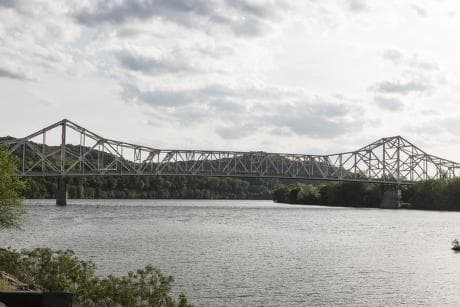
The Silver Bridge Collapse: A Tragic Rush Hour Disaster in 1967
On December 15, 1967, a catastrophic failure occurred on the Silver Bridge, which spanned the Ohio River between Point Pleasant, West Virginia, and Gallipolis, Ohio. During the evening rush hour, the bridge suddenly collapsed, sending vehicles and their occupants plunging into the icy waters below. A total of 46 people lost their lives that day, marking one of the deadliest bridge disasters in U.S. history [1]. The tragedy was caused by a tiny crack in an eye-bar, a critical component of the bridge's suspension system, highlighting serious flaws in bridge inspection practices at the time [2].
The Silver Bridge disaster not only shocked the local community but also drew national attention to the state of infrastructure safety across the United States. It served as a grim reminder of the potential consequences of neglecting aging structures and inadequate maintenance practices.
The Silver Bridge: A Brief History
Constructed in 1928, the Silver Bridge was a cantilevered suspension bridge designed to carry vehicular traffic across the Ohio River [4]. It was named for its aluminum paint, which gave it a silvery appearance. The bridge was a vital connection for the communities of Point Pleasant and Gallipolis, facilitating commerce and daily commutes. By the time of its collapse, the bridge had been in service for nearly 40 years, and its design had become outdated compared to modern engineering standards.
The bridge was built using eye-bar chains, a design that was common in early 20th-century bridges. Eye-bars are long, flat pieces of steel with holes at each end, allowing them to be connected to other structural components. While this design was effective at the time, it also had vulnerabilities that were not fully understood until the Silver Bridge disaster. The bridge's design was based on engineering principles that had been established decades earlier, and as traffic patterns and vehicle weights evolved, the limitations of such designs became increasingly apparent.
The Day of the Collapse
On that fateful evening, approximately 30 vehicles were on the bridge as it began to sway. Witnesses reported hearing a loud noise, described as a "gunshot," just moments before the structure gave way. The bridge's failure occurred at 5:04 PM, and within seconds, sections of the roadway and the vehicles above fell into the frigid waters of the Ohio River [3]. Eyewitness accounts described the chaos that ensued, with people scrambling to rescue those who had fallen.
Rescue efforts began immediately, but the cold water and darkness made the situation perilous. Emergency responders worked through the night, recovering bodies and searching for survivors. Tragically, many of the victims were never found, and the final death toll reached 46, with several others injured. The disaster shocked the local community and drew national attention to the state of bridge safety in the United States. The aftermath of the collapse revealed not only the immediate human tragedy but also the systemic failures that allowed such a disaster to occur.
Investigating the Cause: The Eye-Bar Fracture
In the aftermath of the collapse, the National Transportation Safety Board (NTSB) launched a thorough investigation to determine the cause [1]. The investigation revealed that a small crack in one of the eye-bars had been present for years, but it had gone unnoticed during routine inspections. The crack, measuring only a few thousandths of an inch, had propagated over time due to stress and fatigue, ultimately leading to a catastrophic failure.
The NTSB's findings indicated that the bridge's design and maintenance practices were inadequate. The eye-bar fracture was exacerbated by the bridge's age and the increasing weight of modern vehicles. The investigation also highlighted the lack of standardized inspection protocols, which allowed such critical flaws to go undetected for years. This revelation prompted a reevaluation of bridge safety standards across the nation.
The NTSB's report emphasized that the bridge had not been adequately monitored for signs of wear and tear. The inspections that were conducted failed to identify the critical crack that ultimately led to the disaster. This oversight raised serious questions about the effectiveness of the inspection practices in place at the time and underscored the need for a more rigorous approach to infrastructure maintenance.
The Impact of the Silver Bridge Collapse on Bridge Inspection History
The Silver Bridge disaster served as a wake-up call for the United States regarding infrastructure safety. In the years following the collapse, significant changes were made to bridge inspection practices and regulations. The NTSB's report emphasized the need for more rigorous inspections and better training for inspectors. As a result, the Federal Highway Administration (FHWA) implemented new guidelines that required more frequent and thorough inspections of aging bridges [2].
One of the key outcomes of the investigation was the establishment of the National Bridge Inspection Standards (NBIS) in 1971. These standards mandated that all bridges in the United States be inspected at least once every two years, with a focus on identifying structural deficiencies. The NBIS also called for the use of advanced inspection techniques, including non-destructive testing methods that could detect hidden flaws in materials. This shift in policy aimed to prevent future disasters by ensuring that critical infrastructure was monitored more closely.
The Silver Bridge collapse not only led to changes in inspection protocols but also sparked a broader conversation about infrastructure investment in the United States. The tragedy highlighted the urgent need for funding to repair and replace aging bridges, many of which were built during the same era as the Silver Bridge. In the decades that followed, various federal initiatives aimed to address the deteriorating state of the nation's bridges, including the introduction of the Highway Trust Fund and the establishment of the Federal-Aid Highway Act.
The impact of the Silver Bridge disaster extended beyond immediate regulatory changes. It also influenced public perception of infrastructure safety. Citizens became more aware of the potential dangers posed by aging bridges, leading to increased advocacy for infrastructure improvements and funding. This shift in public consciousness played a crucial role in shaping future policies related to transportation and infrastructure.
The Legacy of the Silver Bridge Disaster
The Silver Bridge collapse remains a significant event in American history, serving as a reminder of the importance of infrastructure safety. The tragedy not only claimed lives but also led to a cultural shift in how bridge safety is perceived and managed. The increased awareness of the need for regular inspections and maintenance has undoubtedly saved lives in the years since.
In Point Pleasant, the memory of the Silver Bridge disaster is still felt today. The community has honored the victims through memorials and annual remembrances, ensuring that the lessons learned from the tragedy are not forgotten. The collapse also inspired local artists and writers, leading to a rich narrative around the bridge and its history. The community's resilience in the face of tragedy has fostered a spirit of unity and remembrance that continues to this day.
The Silver Bridge disaster has also influenced engineering practices beyond just bridge inspection. The incident underscored the importance of rigorous testing and quality control in construction materials. Engineers and architects now prioritize safety and durability in their designs, taking into account the potential for material fatigue and failure. The lessons learned from the Silver Bridge have been integrated into engineering curricula and professional practices, ensuring that future generations of engineers are better equipped to prevent similar tragedies.
Modern Bridge Safety: Lessons Learned from the Silver Bridge Collapse
Today, the United States has made significant strides in bridge safety and inspection practices. The NBIS has evolved over the years, incorporating new technologies and methodologies to enhance the safety of bridges across the country. Advanced techniques such as laser scanning, drones, and robotic inspections are now employed to assess the condition of bridges more accurately and efficiently. These innovations have transformed the way inspections are conducted, allowing for more comprehensive evaluations of bridge integrity.
Despite these advancements, challenges remain. Many bridges in the U.S. are still in need of repair or replacement, and funding for infrastructure projects continues to be a contentious issue. The Silver Bridge collapse serves as a cautionary tale, reminding policymakers and the public of the consequences of neglecting infrastructure maintenance. The ongoing struggle to secure adequate funding for infrastructure improvements reflects the complexities of balancing public safety with budgetary constraints.
In recent years, the American Society of Civil Engineers (ASCE) has published reports highlighting the state of the nation’s infrastructure, including bridges. These reports consistently show that a significant portion of U.S. bridges are either structurally deficient or functionally obsolete. The lessons learned from the Silver Bridge disaster continue to inform discussions about infrastructure investment and safety standards. The ASCE's findings underscore the need for ongoing vigilance and proactive measures to ensure the safety of the nation's bridges.
The Silver Bridge disaster has also prompted a reevaluation of risk management practices in engineering. Engineers are now more aware of the potential consequences of design flaws and material failures, leading to a more cautious approach in bridge design and construction. The integration of risk assessment into engineering practices has become a standard part of the design process, helping to mitigate the likelihood of future disasters.
Remembering the Silver Bridge and Its Victims
The Silver Bridge collapse of 1967 remains a pivotal moment in American history, not only for the tragic loss of life but also for the changes it prompted in bridge safety and inspection practices. The tiny eye-bar crack that led to the disaster serves as a stark reminder of the importance of vigilance in infrastructure maintenance. As the nation continues to grapple with aging infrastructure, the legacy of the Silver Bridge disaster underscores the need for ongoing investment and innovation in safety practices.
The memory of the 46 victims who lost their lives that day is preserved in Point Pleasant, where the community continues to honor their legacy. The Silver Bridge disaster is not just a historical event; it is a call to action for future generations to prioritize safety and maintenance in the face of aging infrastructure. The annual memorial services and community events dedicated to the victims serve as a poignant reminder of the human cost of infrastructure failures.
In addition to memorials, the Silver Bridge disaster has inspired educational initiatives aimed at raising awareness about infrastructure safety. Schools and community organizations have developed programs to educate the public about the importance of maintaining bridges and other critical infrastructure. These efforts aim to ensure that the lessons learned from the Silver Bridge disaster are passed down to future generations.
As the United States continues to face challenges related to infrastructure safety, the Silver Bridge disaster serves as a critical reference point. It highlights the need for a comprehensive approach to infrastructure management that prioritizes safety, funding, and public awareness. The legacy of the Silver Bridge will continue to resonate as communities strive to prevent similar tragedies in the future.