
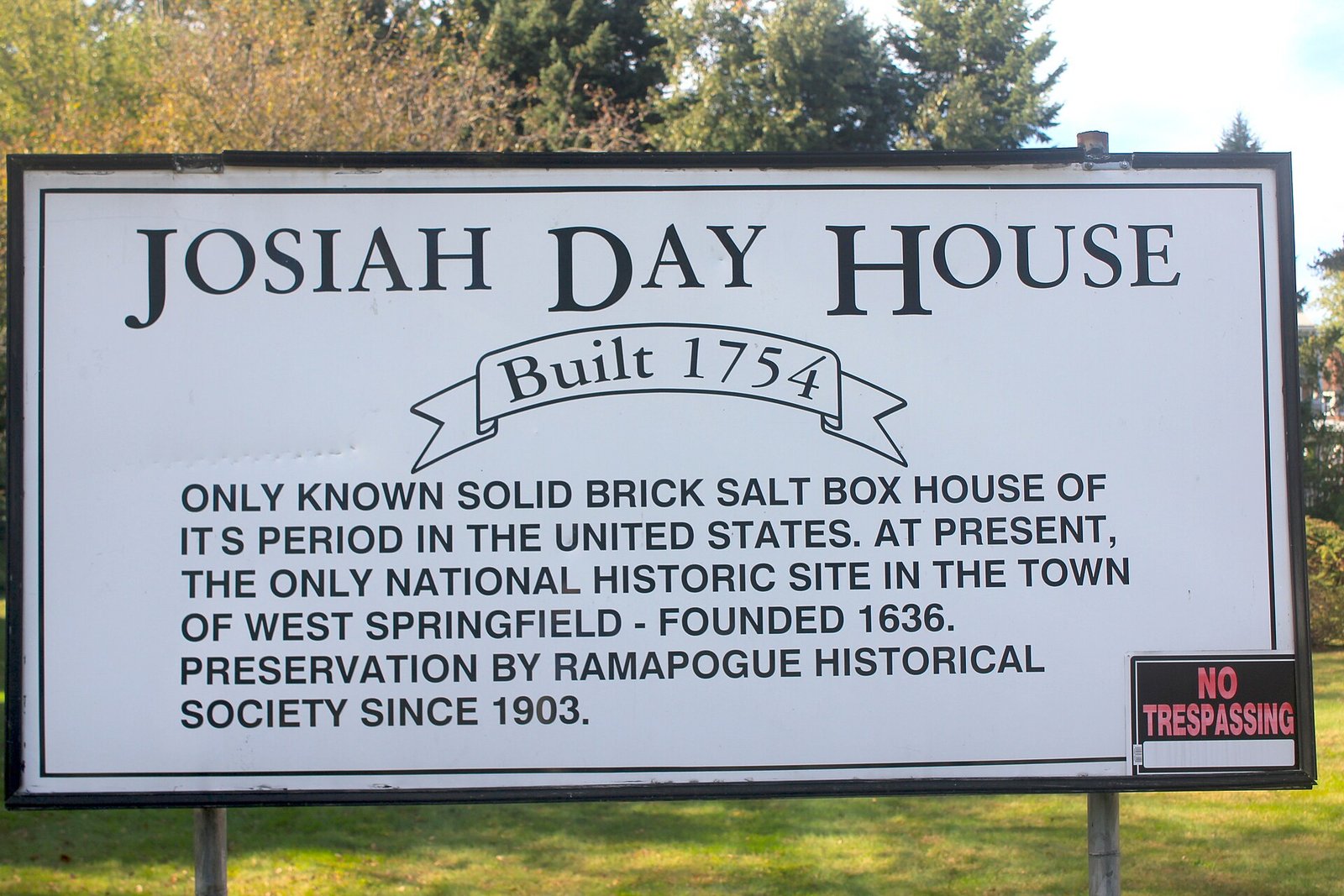
Armed Farmers Shut Down Courts in Massachusetts (1786–87)
In the late 1780s, a group of armed farmers in Massachusetts, led by Revolutionary War veteran Daniel Shays, took drastic measures to protest economic injustices. From 1786 to 1787, these farmers closed courthouses across the state, effectively halting legal proceedings and drawing national attention to their plight. This uprising, known as Shays' Rebellion, was fueled by widespread discontent among rural citizens struggling with debt and high taxes [1]. The rebellion not only highlighted the weaknesses of the Articles of Confederation but also played a significant role in prompting the Constitutional Convention of 1787 [2].
The Economic Context of Shays' Rebellion
The roots of Shays' Rebellion can be traced back to the economic turmoil that followed the American Revolutionary War. The newly formed United States faced a severe economic depression, which disproportionately affected farmers in rural Massachusetts [3]. Many of these farmers, including veterans like Daniel Shays, found themselves in dire financial straits due to high taxes imposed by the state government and the inability to pay off debts [4]. The state, in turn, was struggling to pay its own debts and sought revenue through increased taxation, which further burdened the agrarian population.
By 1786, many farmers were losing their land to foreclosure. The courts, which were seen as instruments of the wealthy elite, enforced these foreclosures, leading to widespread resentment among the rural populace [5]. The situation was exacerbated by the fact that many of these farmers had served in the Continental Army and felt betrayed by a government that they believed should have been more sympathetic to their struggles. The combination of economic hardship and a sense of betrayal ignited a spark of rebellion.
The economic conditions were dire. Inflation had rendered currency nearly worthless, and many farmers found it impossible to pay their debts. The Massachusetts government, in an effort to stabilize its finances, imposed heavy taxes on landowners, which disproportionately affected those who were already struggling. The tax burden fell heavily on rural farmers, who often had little means to generate cash income. This led to a cycle of debt and despair that fueled the anger of the populace, particularly among those who had fought for independence only to find themselves in a state of economic servitude.
The Rise of Daniel Shays and the Rebellion's Leadership
Daniel Shays emerged as a prominent leader during this tumultuous period. A veteran of the Revolutionary War, Shays had fought for the very principles of liberty and justice that he now felt were being denied to him and his fellow farmers. His leadership was pivotal in organizing protests against the courts and rallying support among the disaffected farmers [1].
In August 1786, Shays and his followers began to take action. They organized protests and marches, demanding that the courts be closed to prevent the enforcement of foreclosures and debt collections. The movement gained traction, and by the fall of 1786, Shays and his supporters had effectively shut down several courthouses across Massachusetts, including those in Northampton and Springfield [2]. The farmers' tactics included physical intimidation of judges and court officials, making it clear that they would not allow the legal system to operate as it had before.
Shays' ability to galvanize support was crucial. He was not only a war hero but also a symbol of the struggle against oppression. His charisma and commitment to the cause inspired many farmers to join the rebellion. As the movement grew, it attracted a diverse group of participants, including other veterans, laborers, and even some townspeople who sympathized with the farmers' plight. This broad coalition underscored the widespread discontent with the existing political and economic systems.
The Closure of Courthouses and the Response from Authorities
The farmers' actions were not without resistance. As courthouses were forced to close, the Massachusetts government, led by Governor James Bowdoin, recognized the severity of the situation. The state legislature was initially slow to respond, but as the rebellion escalated, it became clear that a more forceful approach was necessary. In response, the state government called upon the Massachusetts militia to restore order [3].
In January 1787, Governor Bowdoin authorized the use of force against the rebels. The state militia, commanded by General Benjamin Lincoln, was mobilized to confront Shays and his followers. The situation culminated in a violent confrontation at the Springfield Arsenal on January 25, 1787. Shays and his men attempted to seize weapons and ammunition from the arsenal, hoping to bolster their ranks and continue their fight against the state. However, the militia was prepared and managed to repel the attack, resulting in several casualties on both sides [2].
The failure at the Springfield Arsenal marked a turning point in the rebellion. With the militia's show of force, many of Shays' supporters began to lose their resolve. The rebellion gradually lost momentum, and by the spring of 1787, the uprising had effectively been quelled. The government's response, while initially seen as a necessary measure to restore order, also highlighted the deep divisions within Massachusetts society. The use of military force against fellow citizens raised questions about the legitimacy of the state’s actions and the rights of the people to protest [4].
The Aftermath: Legal Consequences and Public Sentiment
Following the suppression of Shays' Rebellion, the state government pursued legal action against many of the participants. Some rebels were arrested, and several were tried for treason. However, public sentiment began to shift as the rebellion highlighted the plight of the rural population. Many citizens began to sympathize with the farmers' grievances, recognizing that their struggles were rooted in systemic economic issues [5].
In 1788, the Massachusetts legislature passed a series of measures aimed at addressing some of the concerns raised by the rebels. These included the establishment of a more equitable tax system and the suspension of debt collections for a limited time. While these measures did not fully resolve the underlying issues, they reflected a growing recognition of the need for reform. The rebellion had forced the government to confront the realities of the economic hardships faced by its citizens, leading to a more responsive approach to governance.
The legal repercussions for the rebels varied widely. While some were pardoned or had their charges dropped, others faced harsh penalties. The trials of the rebels were controversial, as many argued that the government was punishing individuals for standing up against an unjust system. This public discourse contributed to a broader conversation about civil rights and the responsibilities of government, laying the groundwork for future movements advocating for social justice.
Shays' Rebellion and the Constitutional Convention
The significance of Shays' Rebellion extended far beyond Massachusetts. The uprising served as a wake-up call for the national government, revealing the weaknesses of the Articles of Confederation. The inability of the federal government to respond effectively to domestic unrest raised concerns among political leaders about the stability of the young nation [1].
In May 1787, the Constitutional Convention convened in Philadelphia to address these issues. Delegates from various states gathered to draft a new constitution that would create a stronger federal government capable of maintaining order and addressing the economic challenges facing the nation. The fear of further uprisings like Shays' Rebellion played a crucial role in shaping the discussions and debates that took place during the convention [2]. The delegates recognized that the existing framework was inadequate for managing the complexities of a growing nation.
The resulting U.S. Constitution, ratified in 1788, established a more robust federal framework, including provisions for a standing army and the ability to levy taxes. These changes were intended to prevent the kind of chaos that had unfolded in Massachusetts and to ensure that the government could respond effectively to the needs of its citizens. The Constitution also included mechanisms for checks and balances, aiming to prevent any one group from gaining too much power, a direct response to the fears that had been exacerbated by Shays' Rebellion [3].
The debates surrounding the Constitution were intense, with some delegates advocating for a stronger central government while others feared that such power could lead to tyranny. Shays' Rebellion served as a critical example of the potential consequences of governmental inaction and the need for a more effective system of governance [4].
The Legacy of Shays' Rebellion
Shays' Rebellion remains a significant event in American history, illustrating the tensions between rural citizens and the government in the post-Revolutionary War era. It highlighted the struggles of veterans and debtors, many of whom felt abandoned by a system that favored the wealthy elite. The rebellion also underscored the need for a stronger federal government, ultimately leading to the creation of the U.S. Constitution [5].
The uprising has been interpreted in various ways over the years. Some view it as a noble struggle for justice and equality, while others see it as a dangerous challenge to the rule of law. Regardless of interpretation, Shays' Rebellion serves as a reminder of the complexities of American democracy and the ongoing struggle for representation and fairness in governance. The event is often cited in discussions about civil disobedience and the rights of citizens to challenge unjust laws.
In the years following the rebellion, the legacy of Shays' Rebellion continued to influence American political thought. It became a symbol of the fight against economic oppression and the struggle for a more equitable society. The issues raised during the rebellion—such as the rights of debtors, the responsibilities of government, and the balance of power—remain relevant in contemporary discussions about economic justice and political representation.
The Continuing Relevance of Shays' Rebellion
The issues that sparked Shays' Rebellion—economic inequality, government responsiveness, and the rights of citizens—remain relevant today. The rebellion serves as a historical example of how grassroots movements can emerge in response to perceived injustices. It also illustrates the delicate balance between maintaining order and addressing the legitimate grievances of the populace [1].
As contemporary society grapples with similar issues, the lessons of Shays' Rebellion resonate. The importance of listening to the voices of the marginalized and ensuring that government serves all citizens, not just the privileged few, is a lesson that continues to be relevant in American political discourse. The rebellion serves as a reminder that when citizens feel unheard and oppressed, they may resort to drastic measures to make their voices heard [2].
The legacy of Shays' Rebellion can also be seen in modern movements advocating for economic reform and social justice. Activists today often draw parallels between the struggles of the past and the challenges faced by marginalized communities in the present. The rebellion's emphasis on the need for systemic change continues to inspire those fighting for a more just and equitable society [3].